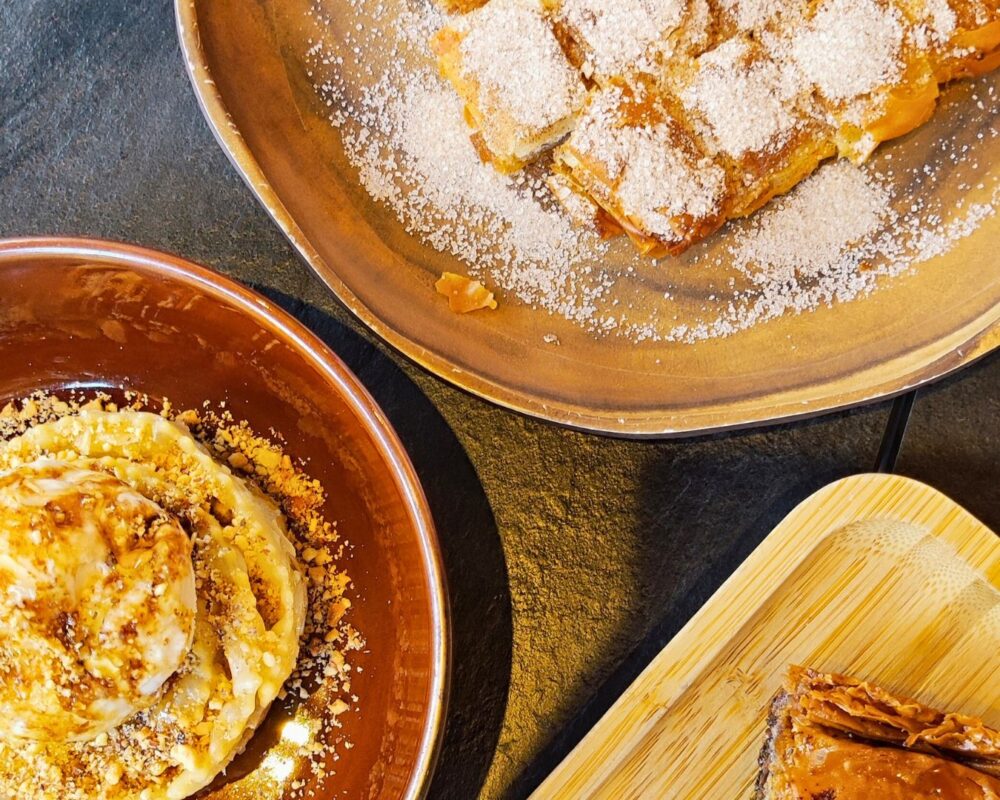
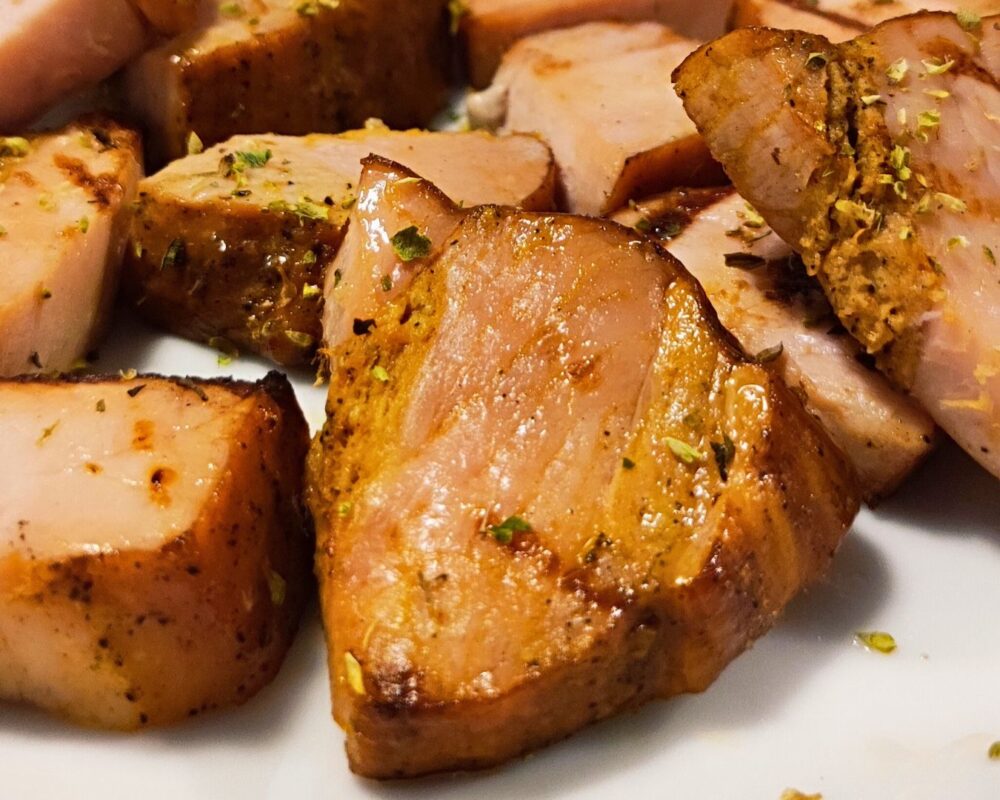
Greek breakfast in Crete looks nothing like what you’d expect from a typical continental spread.
No elaborate buffets. No fancy egg dishes. Just honest food that locals have been eating for generations.
Traditionally, Greeks ate small, simple breakfasts, herbal tea with bread or dried bread, sometimes soft-boiled eggs. But breakfast timing in Greece happens later than many cultures expect, typically between 9:00 am and 11:00 am. This relaxed approach to the morning meal reflects the island’s slower pace of life.
Breakfast in Crete centers on what’s available locally and seasonally. Honey from Cretan bees feeding on wild thyme. Cheese from sheep grazing on mountain herbs. Olive oil is pressed from trees older than most countries. These ingredients connect you directly to the island’s land and the people who work it.
Want to bring these authentic Cretan flavors into your kitchen? Start with our free digital Cretan recipe guide and learn how locals actually cook. No complicated techniques, just real food made.
Here are 10 breakfast ideas that’ll show you what a real Greek breakfast in Crete tastes like.

Graviera cheese is a staple for breakfast in Crete
1. Cretan graviera cheese
Start your Greek breakfast with graviera, the cheese that shows up on nearly every Cretan table.
This hard cheese comes from local sheep’s milk (sometimes mixed with goat’s milk) and ages for at least 3 months. The longer it sits, the sharper it gets. At 12 months, you’ll taste that peppery bite Cretans love.
The yellow color and rich aroma make it stand out from other Greek cheeses. Its savory flavor works in countless dishes, but for breakfast in Crete, locals keep it simple.
How to eat it:
Slice the graviera and drizzle Cretan honey on top. The sweet-savory combination might sound odd, but it works. Add fresh or dried figs, Cretan olives, and rusks to your plate. You’ve just made a proper Cretan cheeseboard.
The cheese’s firm texture holds up well at room temperature, making it perfect for leisurely morning meals that stretch into late morning.
Cook the Cretan way with these easy, homemade recipes with graviera cheese, at the core of Cretan cuisine.

Bread with butter and honey on top is probably the most typical option for a proper Greek breakfast
2. Fresh bread with butter and Cretan honey
Warm bread, good butter, and Cretan honey. That’s it.
This simple combination appears at breakfast tables across Crete because it doesn’t need anything else. The quality of each ingredient does the work.
Sourdough bread (prozimenio) is a favorite in Crete, requiring patience and skill to make properly. The long fermentation creates bread with a complex flavor and better digestibility than quick-rise versions.
Cretan honey varieties:
Thyme honey leads the pack. Wild thyme grows across the Cretan mountains, and bees feeding on it produce honey with a light golden color and delicate taste. The high nutritional value gives it a reputation worldwide.
You’ll also find pine-thyme honey and blossom honey. Each carries distinct aromas from the specific plants where bees forage.
Bread types you’ll see:
Eftazimo bread gets kneaded seven times (efta means seven in Greek). Lasithi in eastern Crete has a long tradition of making this bread. It has a sour taste and soft, crunchy texture. The same bread becomes eftazimo rusk when dried.
Cretan rusk comes in multiple forms: wheat, barley, rye, mixed grain, whole grain, carob, and eftazimo. Dakos are large pieces, kouloura have a round shape, and dakakia are small bites perfect for topping with tomatoes or eating as snacks.
Toast your bread lightly, spread butter while it’s warm, then add honey. The heat melts everything together into something better than the sum of its parts. Or skip the honey and fill your toasted bread with sliced graviera cheese. The warm bread melts the cheese slightly, creating a breakfast that’s both filling and fast.

3. Sourdough soft bread rolls (prozimenia koulourakia)
These soft rolls start with a small piece of sourdough starter that bakers treat like a living thing.
Making sourdough demands patience. You can’t rush the fermentation. The dough needs time to develop flavor and that velvety texture that makes these rolls melt in your mouth.
Pair them with Cretan honey for a classic Greek breakfast. The slight tang from the sourdough balances the honey’s sweetness perfectly.
How to serve them:
Toast the rolls lightly and cut them in half. Spread butter on the warm surface, then drizzle honey on top. The butter soaks into the bread while the honey sits on top, giving you different flavors in each bite.
Want something more substantial? Split a roll and fill it with graviera cheese. The warm bread softens the cheese just enough without completely melting it.
These rolls work as a quick breakfast in Crete when you’re heading out early. Locals grab one or two on their way out, eating them plain or with whatever spread they have on hand.
The sourdough base means these rolls stay fresh longer than regular bread and won’t spike your blood sugar the way refined bread does.

4. Sourdough bread with Cretan avocados
Crete grows about 90% of Greece’s avocados, most of them in the western part of the island.
Sourdough bread with avocado shows how breakfast in Crete adapts while staying true to its roots. The bread still uses traditional methods, but locals aren’t afraid to pair it with newer ingredients that grow well on the island.
Cretan bakers mix different whole-wheat flours for their sourdough. Barley, wheat, and rye are combined in varying ratios. These flour blends contain more fiber than refined white flour, making them easier on your digestive system.
Cretans have always mixed flours to make bread. It wasn’t a health trend. It was a practical use of whatever grains they had available.
Building your avocado toast:
Slice your sourdough and toast it until crispy. Mash ripe Cretan avocado on top with a fork. Add sliced graviera cheese for extra protein and that savory depth.
The creamy avocado contrasts with the crunchy bread and firm cheese. Simple layering that makes a complete meal.
This combination gives you healthy fats from both the avocado and the cheese made from milk of free-grazing animals. It keeps you full longer than sweet breakfast options.

Quality dairy products from Crete elevate the daily Greek breakfast
5. Cretan yoghurt with honey and nuts
Thick, creamy Cretan yogurt topped with local honey and walnuts makes a breakfast that balances sweet and savory in every spoonful.
Traditional Cretan yogurt comes from sheep’s milk, and the difference is obvious from the first taste. The sheep graze freely on mountain slopes, eating wild herbs and plants instead of processed feed. What they eat affects the milk’s flavor.
Why Cretan yogurt tastes different:
Crete has approximately 1,600 different kinds of wild herbs and plants. Almost 170 of them are endemic, meaning they grow only on this island. This diverse flora becomes the purest natural feed for goats and sheep grazing freely across the mountains.
The free-grazing animals eat thyme, sage, and other mountain plants. These flavors come through in the milk and the final yogurt. It’s a direct connection between the land and what’s on your plate.
How to build your bowl:
Put yogurt in a bowl. Add thyme honey on top. Toss in some crushed walnuts for texture. You can also crumble Cretan rusk made from carob flour if you want a gluten-free option that adds crunch.
In Cretan restaurants, you’ll often see yogurt served as dessert with honey or spoon sweets. These preserves come from grapes, quince, bergamot, orange, or figs. The thick, syrupy texture of spoon sweets pairs beautifully with tangy yogurt.
Rethymno in western Crete produces much of the island’s dairy because of its strong livestock farming tradition. The quality shows in every spoonful.
This breakfast gives you protein, healthy fats, and probiotics without making you feel sluggish.

Locals often enjoy pies stuffed with cheese for a Greek breakfast on the go
6. Pies stuffed with Cretan mizithra cheese or wild greens
Cretan pies show up everywhere for breakfast in Crete. Locals grab them on the go or sit down for a leisurely meal with family.
These pies get cooked in a pan, not an oven. This method creates thin dough with a soft, velvety texture on the inside and a crispy exterior from the olive oil.
Two main filling options:
Fresh mizithra cheese or xinomizithra (which has a slightly sour flavor) makes the sweet version. After cooking, locals drizzle Cretan honey over the top. The combination of tangy cheese and sweet honey works surprisingly well.
Seasonal wild greens make the savory version. Cretans know exactly which greens to pick and when. These aren’t store-bought vegetables. They’re foraged from hillsides and fields.
Why wild greens matter:
Cretan cuisine depends on seasonality and what grows naturally. Vegetables and wild greens form the base of local cooking. People here eat wild greens raw in salads or cooked in various recipes throughout the day.
The fennel pie (marathopita) deserves special mention. It often includes several other herbs mixed with the fennel. The aroma fills the kitchen while it cooks, and the flavor is both hearty and fragrant.
These pies work as a complete breakfast. They’re filling enough to keep you going until the late lunch that Greeks typically eat around 2 pm. You can eat them warm from the pan or at room temperature later in the morning.

It’s very likely that you will find Cretan bananas in many grocery shops all around Greece for a hearty Greek breakfast
7. Cretan bananas
These tiny bananas look nothing like the standard supermarket variety you’re used to seeing.
Cretan bananas are small in size but pack intense sweetness and rich flavor. The soft texture makes them perfect for adding to desserts instead of sugar.
They’re a real nutritional treasure. High potassium levels help improve blood pressure and support heart health. But the limited growing areas mean you won’t find them everywhere.
Where they grow:
Mostly in Heraklion and Lasithi areas. Sitia in eastern Crete has the right microclimate for these aromatic bananas to thrive. The specific conditions there can’t be replicated easily elsewhere on the island.
You’ll likely find Cretan bananas in grocery shops across Greece, not just in Crete. Locals and tourists alike seek them out for their distinct taste.
How to eat them for breakfast:
Slice them over yogurt with honey. The natural sweetness means you need less added honey. Mash them on toast with a bit of cinnamon. Add them to homemade smoothies for natural sweetness without refined sugar.
The small size makes them easy to pack for a quick Greek breakfast on the go. Grab one or two with some cheese, and you have a balanced start to your day.
These bananas represent another example of Crete’s unique agricultural products. The island’s varied microclimates allow crops to grow here that struggle in other parts of Greece.

8. Olive oil biscuits (ladokouloura)
These crunchy biscuits work for morning snacks or afternoon treats with tea or coffee.
The use of extra virgin olive oil instead of butter gives them a distinct, rich texture. Aromatic spices like cinnamon add a delicate sweetness without overwhelming the olive oil flavor.
Sesame seeds coat the outside, adding nutty flavor and extra crunch. The combination creates a biscuit that’s satisfying without being too heavy.
Why olive oil biscuits fit breakfast in Crete:
They reflect the island’s approach to food. Quality local ingredients prepared simply. Extra virgin olive oil, cinnamon, and almonds form the base for many sweet treats locals call kavroumadakia or kavroumades.
These biscuits are suitable for vegan diets since they contain no dairy or eggs. Just flour, olive oil, spices, and seeds.
How to enjoy them:
Pair them with a Cretan herbal brew made from wild mountain herbs. The earthy tea flavors complement the sweet spices in the biscuits. Coffee works too, especially if you like dipping your biscuits the way Greeks do.
Dip the biscuit into your tea or coffee for about 5 seconds. The warm liquid softens the texture just enough while the biscuit absorbs the flavors. Don’t leave it in too long, or it’ll break off into your cup.
Keep a tin of these on hand for quick breakfasts when you’re running late. They travel well and don’t need refrigeration. Two or three biscuits with coffee give you enough energy to start your day without feeling stuffed.
The olive oil keeps them moist inside while the outside stays crisp. This texture balance makes them better than typical dry breakfast cookies.

9. Cretan herbal brew
Crete feels like a continent, not just an island. Mountains cover much of the landscape, and that’s where goats and sheep graze freely.
The island has approximately 1,600 different kinds of plants and wild herbs. Almost 170 of them are endemic, growing only in Crete.
Natural wild herbs like malotira, fliskouni, mountain tea, sage, chamomile, dittany, and marjoram make aromatic brews. These work well for cold winter days and help support your immune system. Locals always add a splash of Cretan honey to their brew.
The endemic herbs:
Malotira is Crete’s mountain tea. It grows at altitudes over 1,000 meters in dry mountain areas. Dittany of Crete (diktamos) and marjoram (matzourana) also grow only on this island.
These aren’t cultivated plants. They grow wild across the mountains, and locals know where to find them. The tradition of gathering and drying these herbs goes back generations.
A note on terminology:
In Crete, locals call these herbal drinks “vrastari,” which means brew. The word “tea” came later, originally from India, and doesn’t accurately describe what Cretans have been making from their endemic herbs for centuries. It’s a brew made from boiled wild herbs, not tea in the traditional sense.
Why herbal brews matter for a Greek breakfast:
They’re a gentler way to start your morning compared to strong coffee. The herbs have different properties. Some are calming, others are energizing. Chamomile soothes, while mountain tea gives you a lift without caffeine jitters.
The honey addition isn’t just for sweetness. It enhances the herbs’ natural benefits and makes the brew more satisfying.
As you travel around Crete, you’ll smell these herbs everywhere. The landscape changes dramatically between the west and the east, but the aromatic wild herbs remain constant. They’re part of what makes the air smell different here.
Local tip: To properly make a Cretan herbal brew, place the wild herbs in the cup and add boiled water. It’s better not to boil the wild herbs because this diffuses all their aromas into the air.

The sweet Cretan tartelettes are often served in Greek breakfast menus all around Greece
10. Sweet Cretan tartelettes (lyhnarakia)
These bite-sized pastries show up at breakfast tables across Crete, giving you a taste of the island’s love for local ingredients.
Kalitsounia is the general name for these Cretan treats. They come in two different types based on shape and pastry, both filled with fresh mizithra cheese from Crete and topped with Cretan honey.
The two shapes:
Lyhnarakia have a particular round shape. The name comes from “lyhnos,” meaning ancient oil lamp, because they look like those old lamps. These are also called kalitsounia “of the moment” because the pastry doesn’t use sourdough. You can bake them right away without waiting for the dough to rise.
Anevata have a square shape (usually in eastern Crete) or a triangle shape (mostly in western Crete). These use a different pastry technique.
Why fresh mizithra matters:
This low-fat cheese comes from a mixture of local sheep and goat milk. It has a soft texture and gives a creamy taste when used in Cretan recipes. The cheese pairs perfectly with Cretan thyme honey.
The combination of tangy fresh cheese with sweet honey creates that balance Cretan food is known for. Not too sweet, not too savory. Just right.
When you’ll eat them:
Breakfast is common, but you’ll also see these served with Greek coffee in the afternoon. They’re small enough to eat a few without feeling too full, making them perfect for the leisurely pace of a Greek breakfast that stretches into late morning.
The pastry stays crisp on the outside while the cheese filling stays soft. Fresh from the oven is best, but they’re still good at room temperature later in the day.

Frequently Asked Questions
What does a typical Greek breakfast look like?
A typical Greek breakfast keeps things simple and focuses on quality over quantity.
You’ll see fresh bread or rusks with olive oil, local cheese like graviera or mizithra, olives, honey, and yogurt. Seasonal fruits appear depending on what’s growing at the time.
Coffee is more central than elaborate food, with many Greeks grabbing a cheese pie or spinach pie on their way to work or school. The sesame-covered bread ring called koulouri is another popular grab-and-go option.
In homes, breakfast might include soft-boiled eggs with bread, yogurt topped with honey and nuts, or simple pies filled with cheese or greens. Nothing fancy, just honest food that tastes good.
The portions are reasonable because Greeks traditionally ate their main meal at lunch, around 2 pm, rather than dinner.
What time do Greeks have breakfast?
Greeks typically eat breakfast between 9:00 am and 11:00 am, much later than many other cultures.
This timing fits the overall daily schedule in Greece. Many businesses and schools don’t open until around 8:00 or 9:00 am, allowing for a more relaxed morning routine.
Weekends and holidays see even later breakfasts. Families often linger over the meal from 10 am to noon or even 1 pm. This extended period gives everyone time to enjoy various foods, sip coffee slowly, and have unhurried conversations.
The relaxed, later timeframe reflects the laid-back lifestyle. It’s about easing into the day rather than rushing through it. You won’t find Greeks eating breakfast at 6 am before a long commute.
This approach to breakfast timing also connects to traditional fasting practices in Orthodox Christian tradition, where some believers prefer avoiding eating very early before morning services.
What did the Greeks eat in the morning in Crete back in the 50s-60s?
Breakfast in rural Crete during the 1950s and 1960s looked very different from today’s options, shaped entirely by what was available locally.
Olives were common at breakfast, often eaten with leftover food from the previous day. This reflected the frugality and resourcefulness of rural living. Nothing went to waste.
Bread or paximathia (Cretan rusks) with olive oil was a staple. Locals would mix olive oil with honey to create a thick, marmalade-like spread that added sweetness and energy for the day’s physical work.
Brews made from endemic Cretan wild herbs like dittany, malotira, and chamomile were very characteristic of the island’s traditional dietary and medicinal culture. These herbal drinks were valued for both taste and health benefits.
People followed a modest, plant-based Cretan diet that relied heavily on olive oil, local herbs, simple breads, and seasonal foods. The rural lifestyle and available natural resources shaped every meal.
The meat was rare. Cheese from free-grazing animals appeared more often. Wild greens foraged from hillsides filled pies and salads. Everything was seasonal because there was no other choice.
This simple diet, born from necessity rather than health trends, became the foundation for what researchers now call the Mediterranean diet.

Want to bring these authentic flavors into your own kitchen?
The digital Cretan cookbook by Taste the Local Crete gives you over 50 authentic recipes that show exactly what we’ve been talking about. These aren’t complicated restaurant dishes or Instagram creations.
They’re the real, daily recipes of local Cretan cuisine.
You can access this digital recipe guide on your smartphone, tablet, or laptop. Makes it easy to cook the Cretan way, no matter where you are.
Each recipe captures what makes Cretan cooking work: a few simple ingredients and minimal cooking preparations that let quality shine through. No fancy equipment needed. No hard-to-find items. Just straightforward cooking that produces real flavor.
The recipes cover everything from breakfast pies to main dishes, showing you how Cretans actually eat throughout the day. You’ll learn the techniques that make simple ingredients taste better and understand why this way of cooking has kept people healthy for thousands of years.
Start with the free digital recipe guide and begin bringing the real taste of Crete to your table. The best way to understand why Greek breakfast in Crete became the gold standard for morning meals is to experience it yourself.
Happy cooking!
FREE LOCAL'S GUIDE TO CRETE
Get my free 25-page Cretan guide with insider tips and answers to your most common questions. Written by someone who actually lives here.