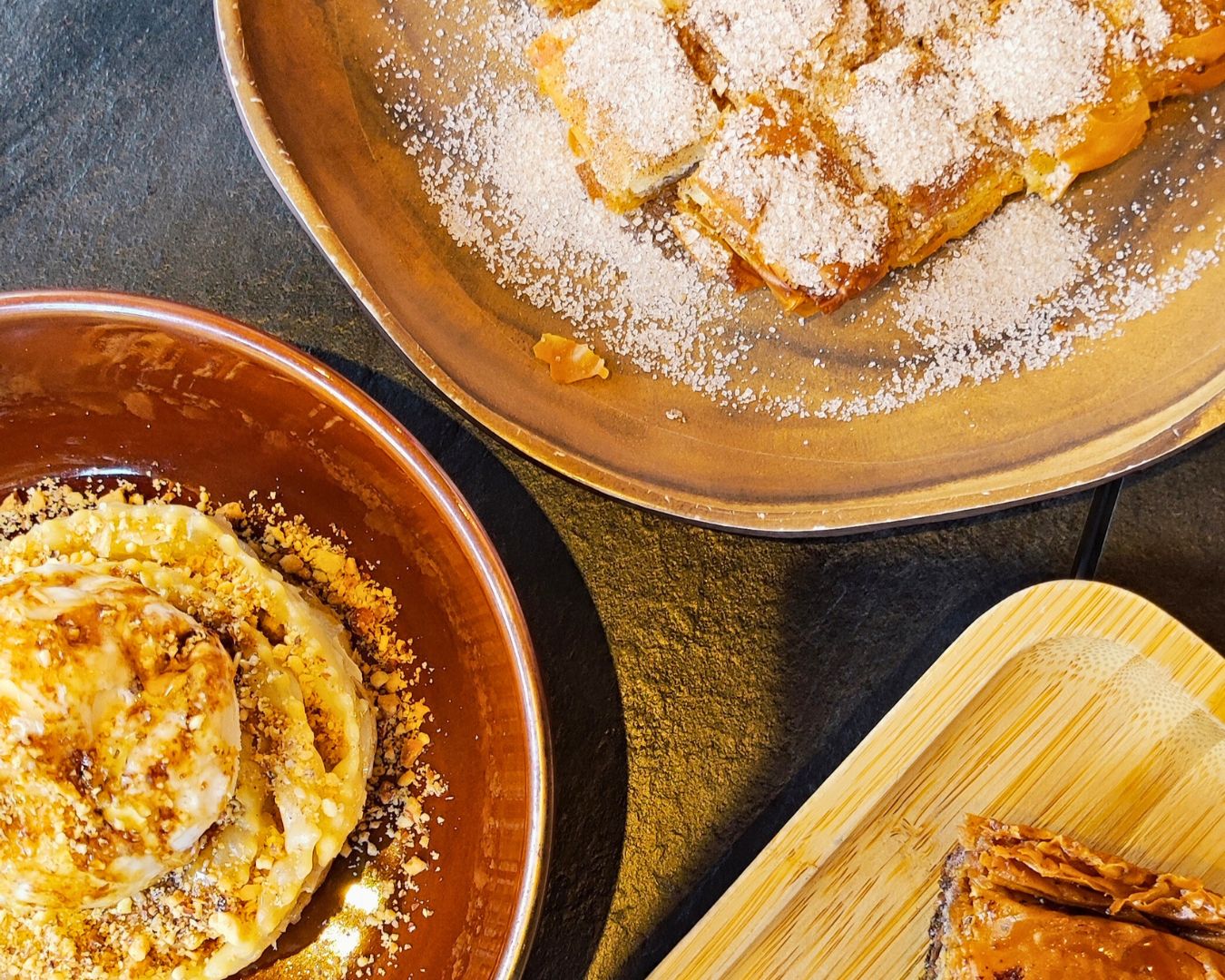
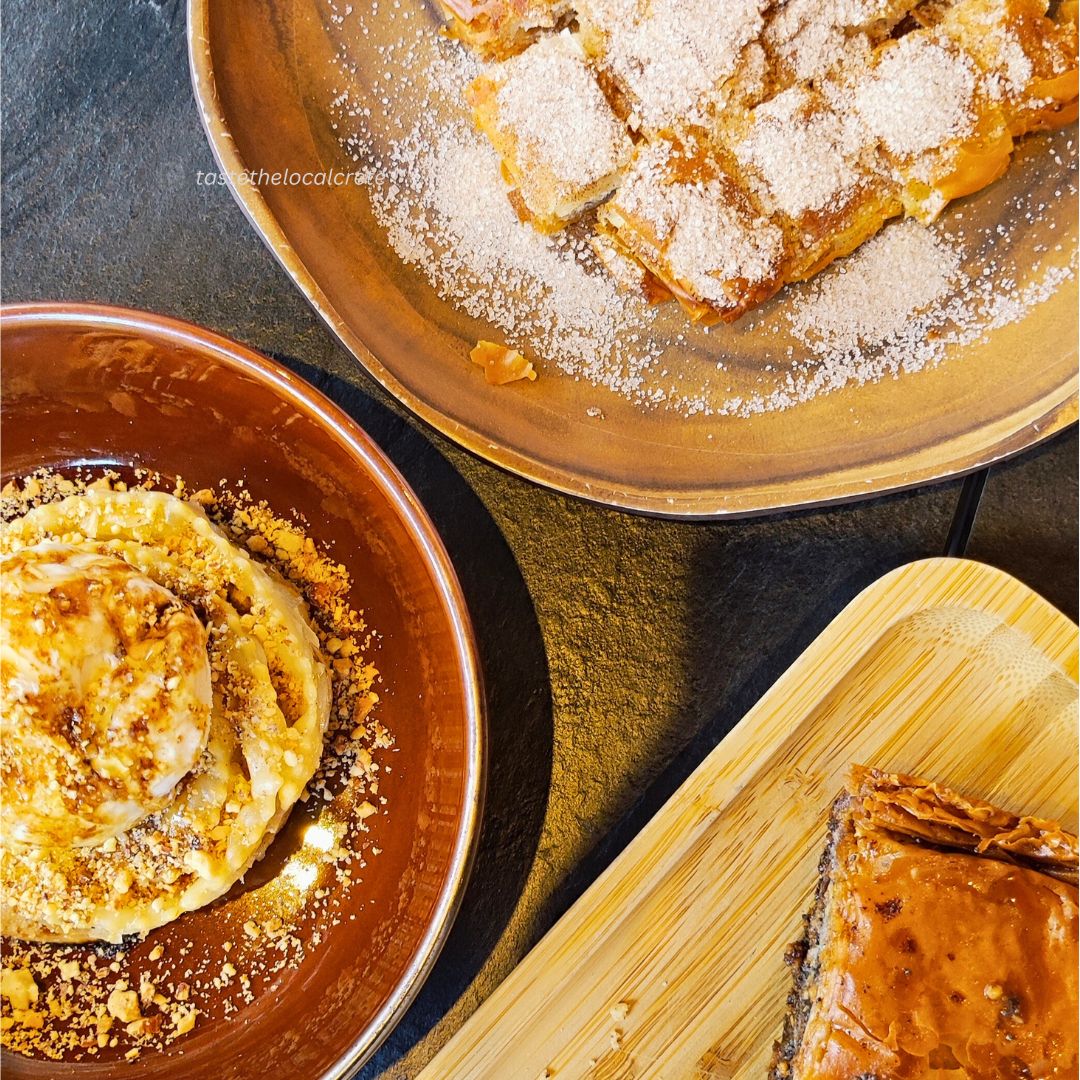
Greek desserts in Crete don’t follow the rules you might expect.
Forget baklava dripping with syrup or loukoumades piled high at tourist spots. Traditional Cretan sweets take a different path, one that’s simpler, more honest, and way more connected to the island’s agricultural roots.
You’re looking at fried pastries drowning in mountain honey, fresh cheese from goats eating wild herbs on mountainsides, and yogurt so creamy it makes everything else taste like disappointment.
The secret? Quality ingredients do most of the work. When your mizithra cheese comes from animals grazing on 1,600 different plant species (170 of them growing nowhere else on Earth), you don’t need fancy techniques. When your honey comes from bees feeding on wild thyme and aromatic herbs covering the mountains, simple becomes spectacular.
Want to bring the authentic Cretan flavors to your kitchen? Grab your free digital Cretan recipe guide and start cooking the real taste of Crete today.
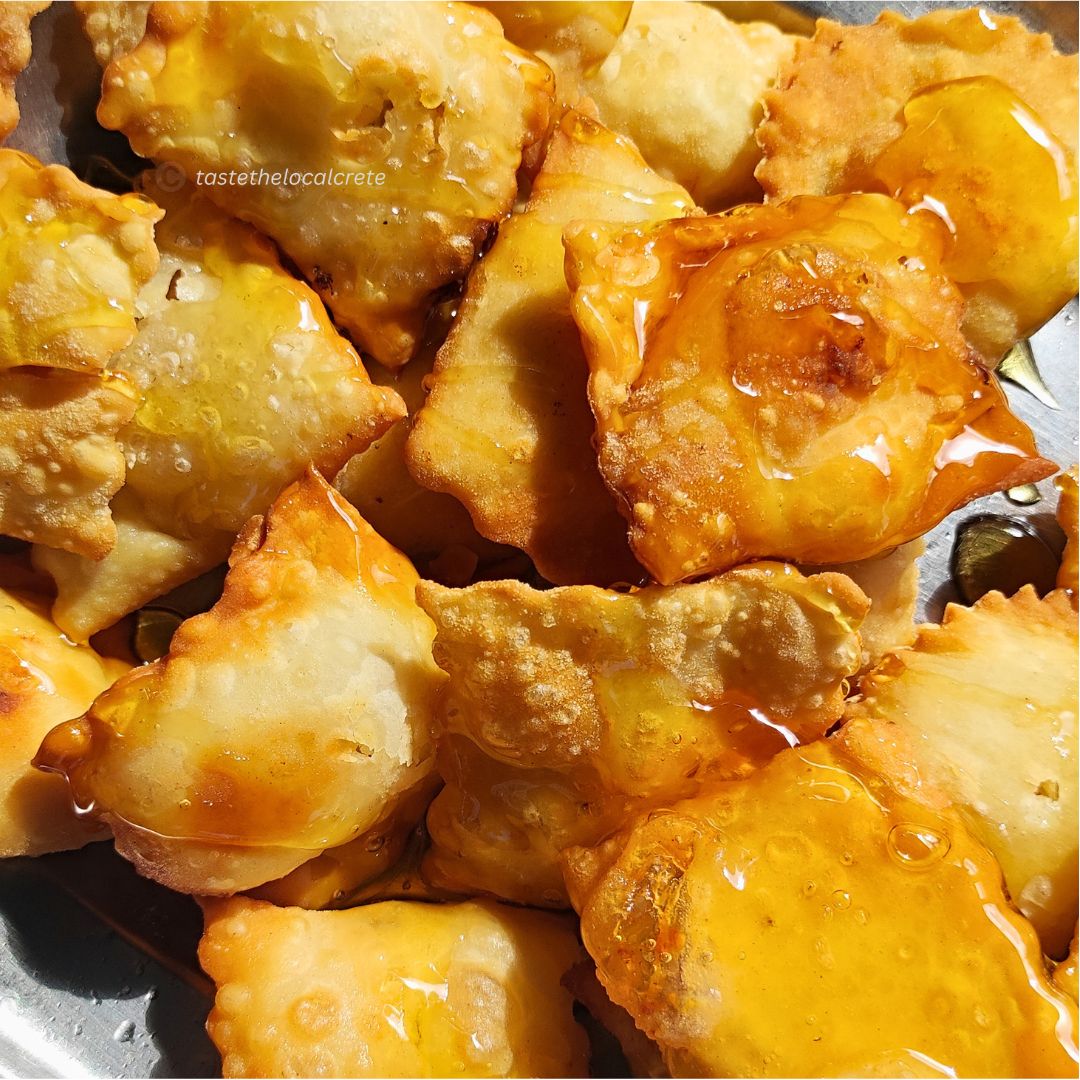
Mizithropites Dressed in Cretan Honey
Let’s start with something that confuses most visitors: cheese pies served as dessert.
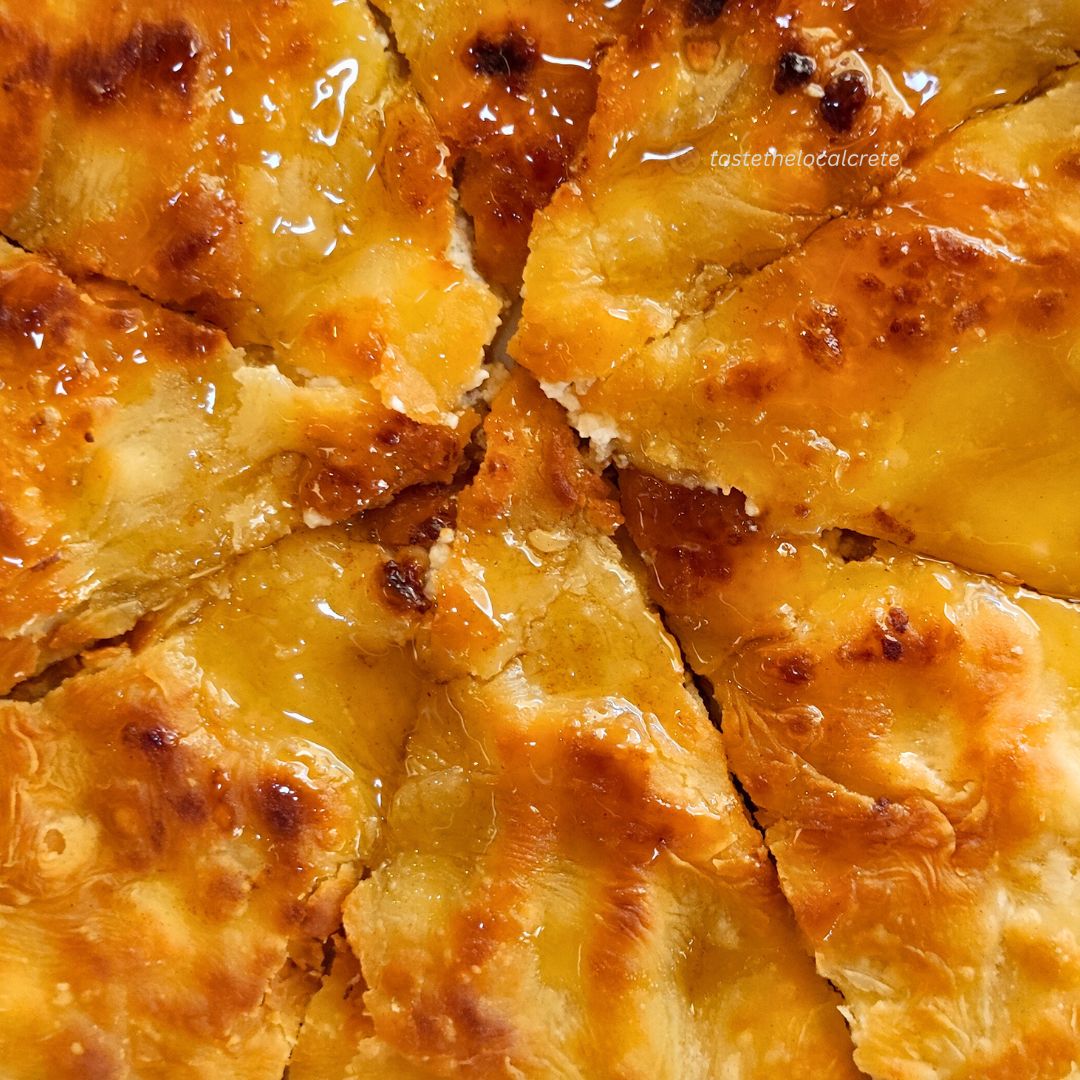
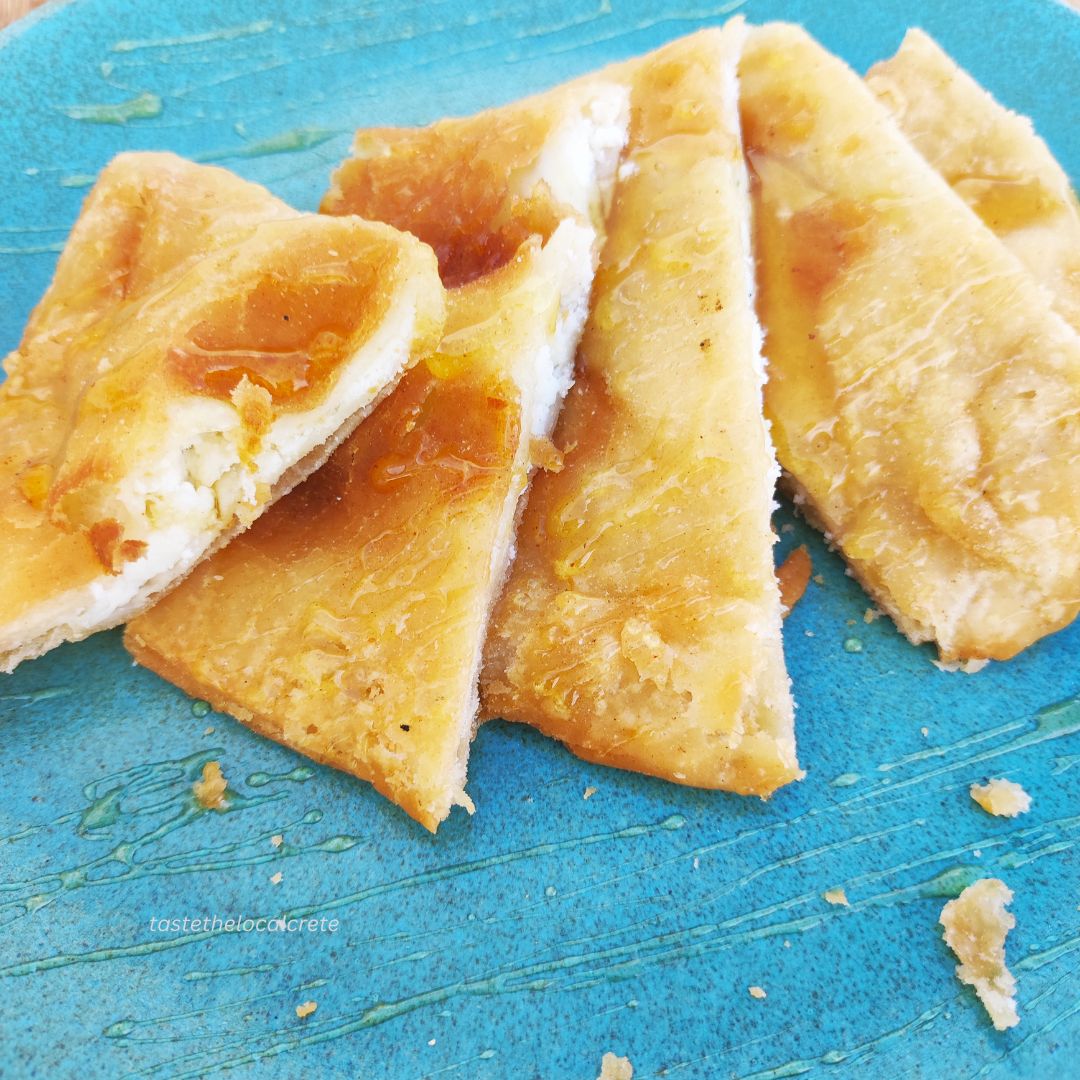
Mizithropites are pan-cooked cheese pies that blur the line between savory and sweet. The base is simple dough made with flour, olive oil, and water. The filling is fresh mizithra cheese, slightly sour and creamy. Then comes the magic: you drizzle Cretan honey over the top while it’s still warm.
The combination works because mizithra has a mild tanginess that balances honey’s sweetness. You’re not eating a sugar bomb.
Eastern Crete’s Nerati Cheese Pie
Head to Sitia on Crete’s eastern edge and ask locals about their favorite Cretan food. They’ll point you straight to nerati.
This isn’t your typical cheese pie. Nerati comes from the easternmost villages of Crete, where families have been making it the same way for generations.
The ingredients sound simple: flour, extra virgin olive oil, water, and xinomizithra cheese. But here’s what makes it special: the technique uses water (nero in Greek, which gives the pie its name) to spread the dough by hand right in the pan, mixed with olive oil.
Local tip: Drizzle Cretan honey on top of your nerati for an authentic breakfast experience that balances the sour cheese with natural sweetness.
The Pan-Cooking Secret
Most Greek pies go in the oven. Traditional Cretan food takes a different path. The majority of Cretan pies are cooked in a pan.
This technique runs deep in Cretan culinary tradition. It reflects the island’s history of creating delicious meals with minimal equipment, a necessity when shepherds cooked in mountain shelters or families made do with basic kitchen setups.
The result? A crispy bottom, tender interior, and flavors concentrated through direct heat contact.
Fresh Mizithra Cheese Served with Honey
Sometimes the best Greek desserts are the simplest ones.
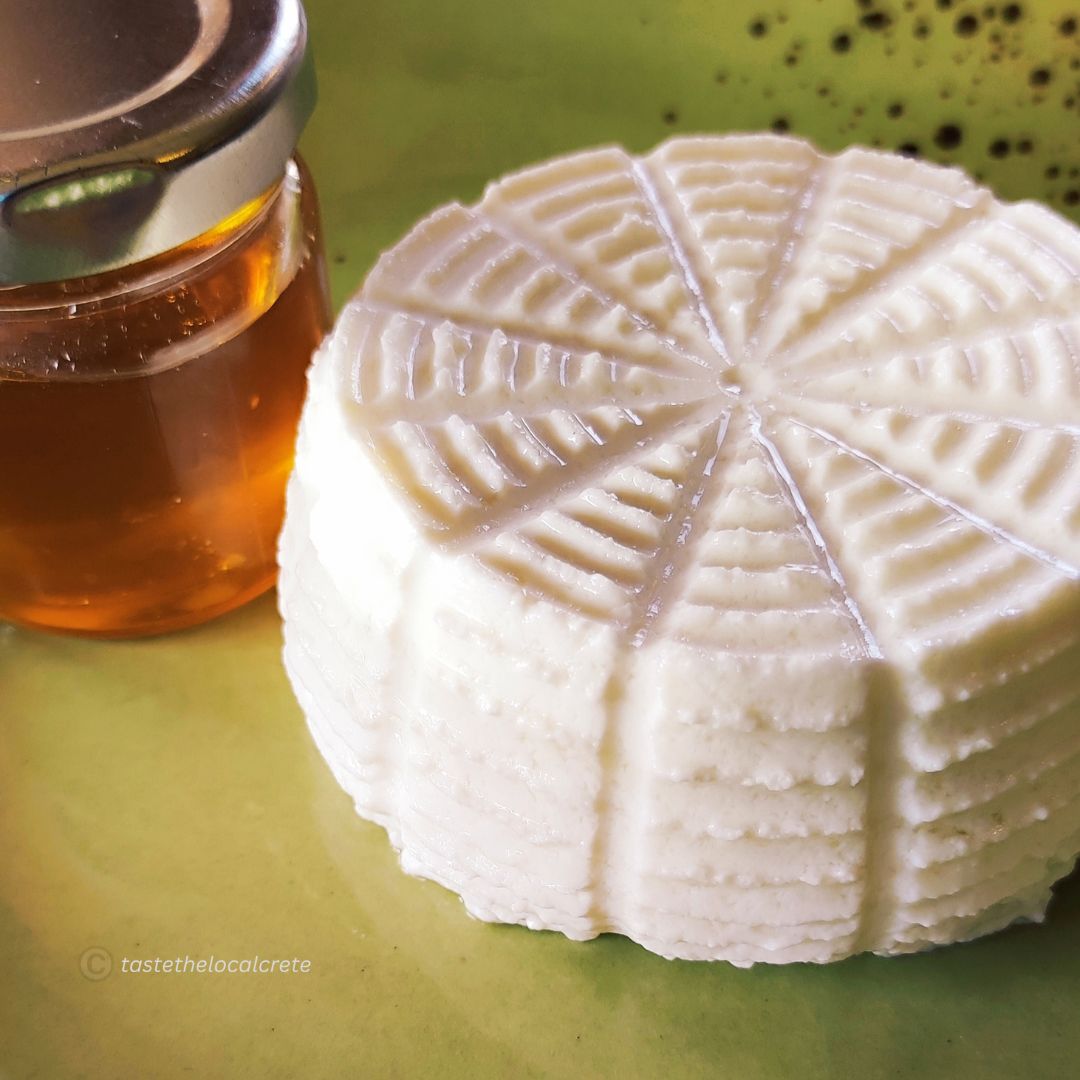
Fresh mizithra cheese with honey isn’t a recipe. It’s two ingredients on a plate, and it’s perfect.
Mizithra is a soft, fresh cheese made from sheep’s or goat’s milk whey. The texture sits somewhere between ricotta and cream cheese, with a mild sweetness and slight tanginess. When you eat it fresh (within days of production), it has a delicate flavor that honey complements without overpowering.
Why Cretan Mizithra Tastes Different
The animals matter here more than you’d think.
Cretan goats and sheep graze freely on mountainsides, feeding almost exclusively on wild herbs and plants. Crete counts over 1,600 different species of wild herbs and plants, with approximately 170 growing only on the island. That’s the purest feed for goats and sheep, creating milk with complex flavors you can’t replicate with grain-fed animals.
The milk from these free-grazing animals produces mizithra with subtle herbal notes. You’re not just tasting cheese. You’re tasting thyme, oregano, sage, and dozens of other plants that grow wild across the Cretan mountains.
How Locals Eat It
Cretans serve fresh mizithra as both breakfast and dessert. For breakfast, they might add a drizzle of olive oil alongside the honey. For dessert, honey alone does the job.
The honey choice matters too. Cretan thyme honey, pine honey, or mixed wildflower honey each brings different aromatic profiles. Thyme honey offers intense herbal notes, while pine honey adds depth with its darker, less sweet character.
You’ll find this combination in village tavernas and family homes across Crete, especially during spring and early summer when fresh mizithra production peaks.
Xerotigana: Crete’s Honey-Drenched Fried Spirals
Now we’re getting into the fried territory where Greek desserts really shine.
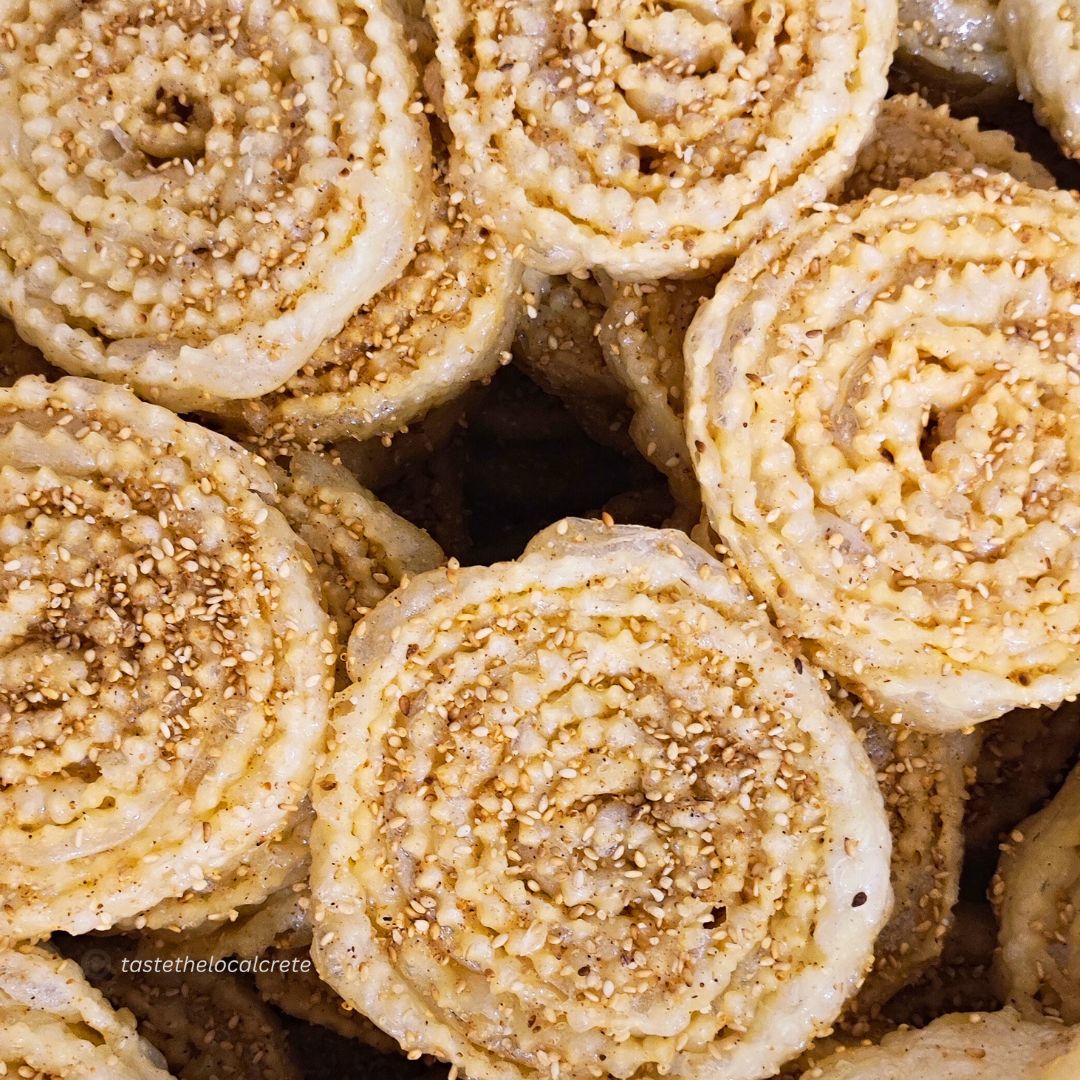
Xerotigana are thin strips of dough twisted into spiral shapes, fried until golden and crispy, then drowned in warm honey. The name comes from “xero” (dry) and “tiganizo” (to fry), though there’s nothing dry about these once the honey hits them.
The dough is made from flour, olive oil, tsikoudia (Cretan spirit drink), and orange juice or zest. That combination creates a crispy texture that shatters when you bite into it, releasing honey with every crack.
Sitia’s Xerotigana Tradition
Sitia makes some of the best xerotigana on the island. Local producers follow traditional methods that create thinner, crispier spirals than you’ll find in western Crete.
The technique requires skill. You roll the dough paper-thin, cut it into long strips, then twist each strip into a loose spiral or rose shape before frying. Too thick and they turn chewy. Too thin and they burn before cooking through. Getting it right takes practice that most Sitia families have been perfecting for generations.
The frying happens in plenty of olive oil at the right temperature. Once golden, the spirals get transferred immediately to warm honey, where they soak up sweetness while maintaining their crisp exterior.
When You’ll Find Them
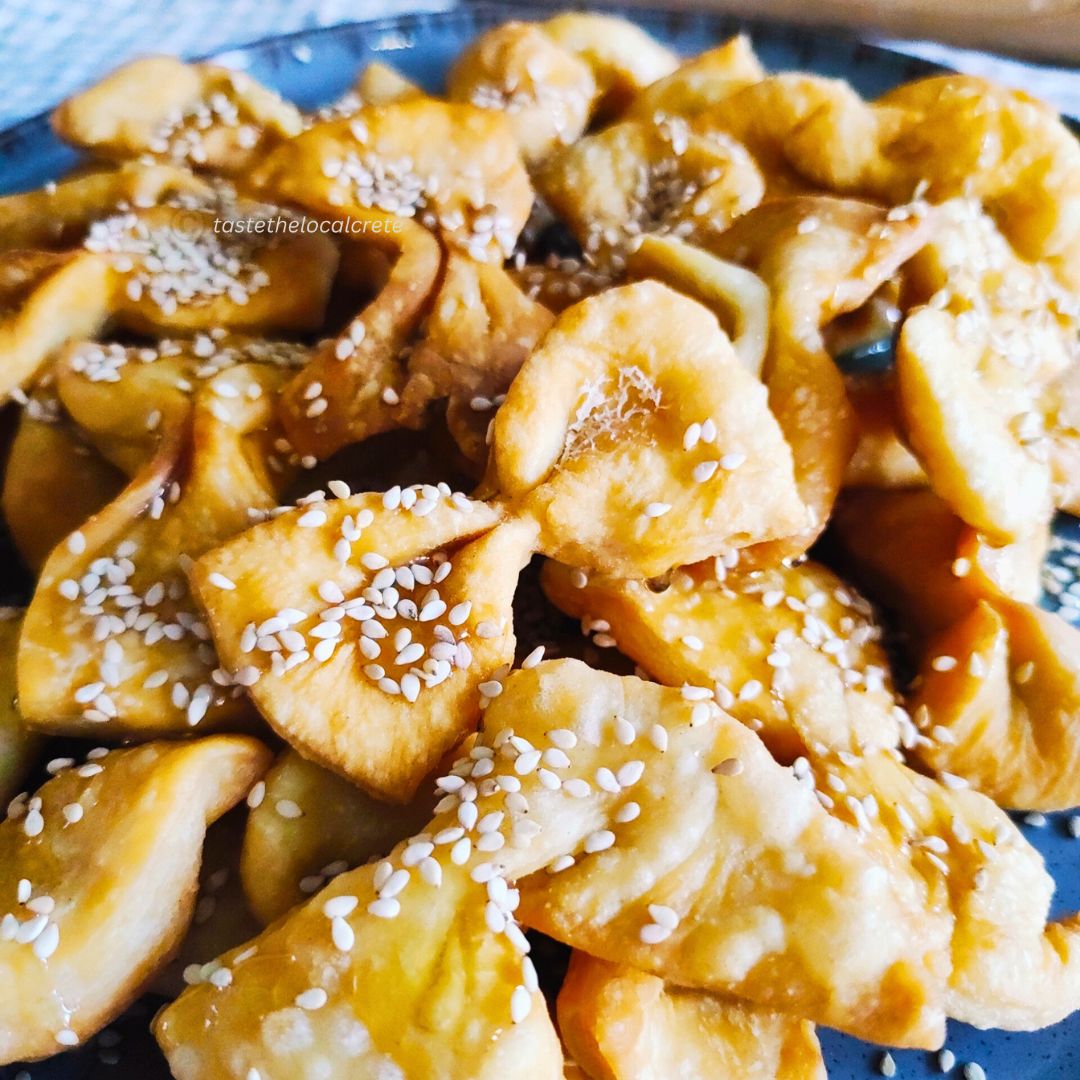
Xerotigana appear at celebrations: weddings, name days, Easter, and Christmas. They’re labor-intensive, so most families only make them for special occasions.
In Sitia, some bakeries and pastry shops make xerotigana year-round, saving you from having to wait for a wedding invitation to try them.
Likely, you’ll also find them in bite-sized little bows!
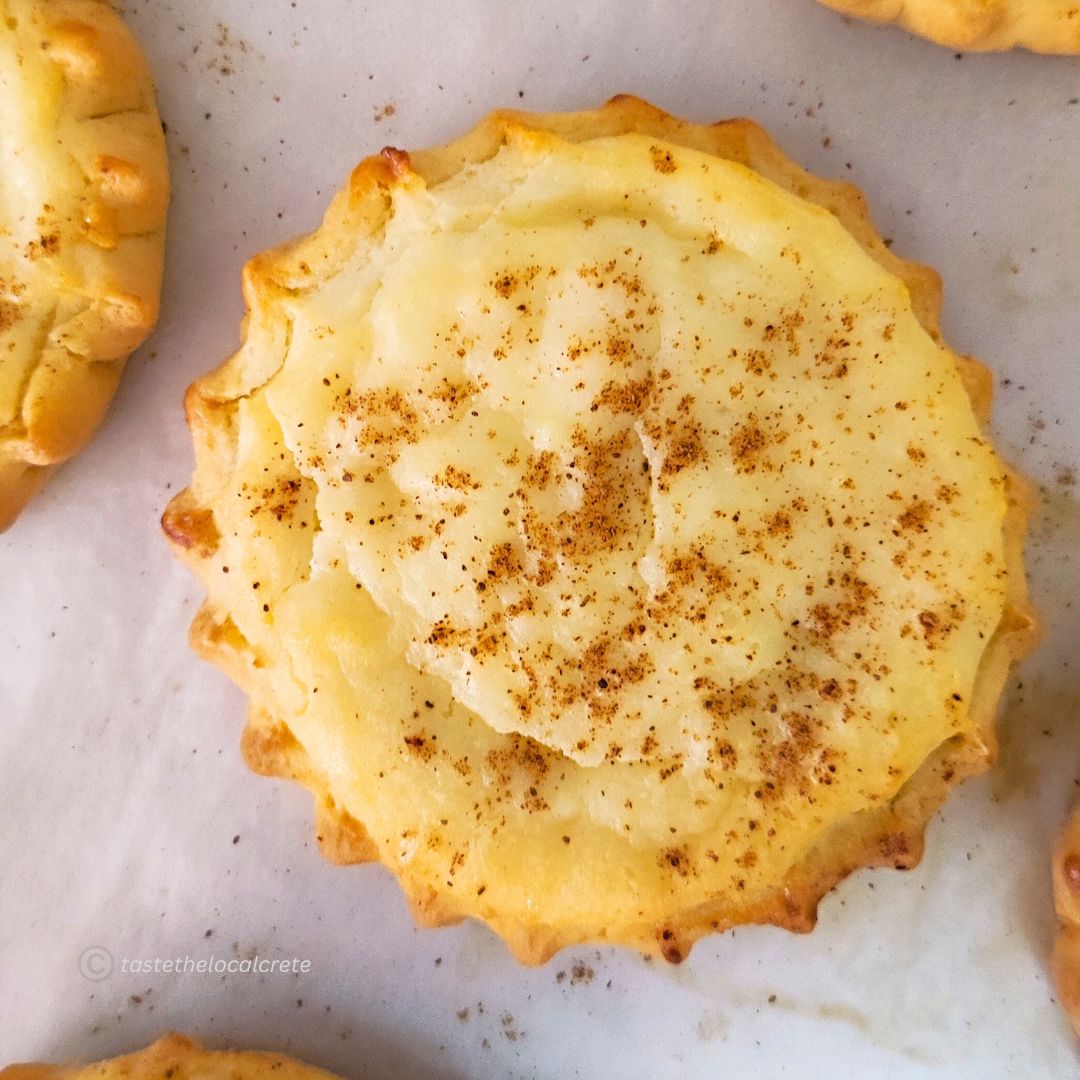
Kalitsounia: Sweet Cheese Tartlets from Sitia
Here’s where Cretan desserts get confusing for visitors. Kalitsounia can be savory or sweet, depending on where you are (it’s more likely to find the savory version in western Crete, in Chania).
The sweet ones come in two different types based on shape and phyllo pastry, filled with fresh mizithra cheese from Crete and Cretan honey (and cinnamon): lihnarakia with a particular round shape and anevata, which have a square (usually in eastern Crete) or even triangle shape (mostly in western Crete).
Lyhnarakia: Kalitsounia “of the Moment”
The first type of kalitsounia is called “lyhnaraki” because its shape resembles an ancient oil lamp (lyhnos). In Crete, this type is also called kalitsounia “of the moment” because the phyllo pastry is not made with sourdough, so it can be baked without waiting for the dough to rise.
Fresh sweet mizithra cheese is a key ingredient for this sweet recipe. It’s a kind of Cretan cheese that has a mild, delicate flavor.
Mizithra is a low-fat cheese made from a mixture of local sheep and goat milk. It has a soft texture and gives a nice creamy taste when used in Cretan recipes. It makes a perfect match when combined with Cretan thyme honey.
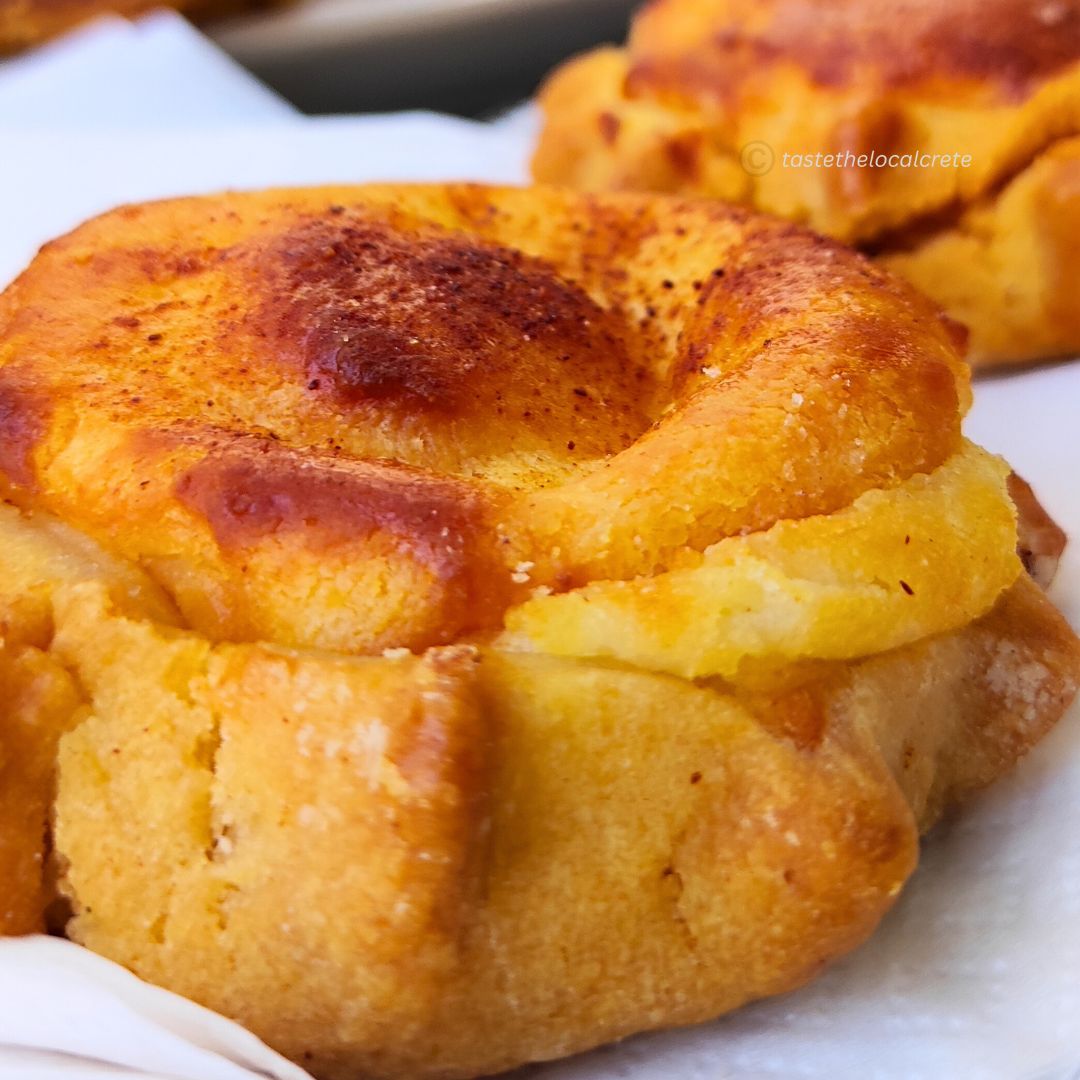
What Makes Lyhnarakia Special
Sitia’s version stays true to simplicity. You’ll taste the cheese quality immediately because there’s nowhere to hide inferior ingredients. The dough provides structure without competing with the filling, and a light dusting of powdered sugar or cinnamon adds the final touch.
Some families add a hint of lemon zest to the cheese mixture, creating brightness that cuts through the richness. Others stick with pure cheese flavor, letting the natural sweetness speak for itself.
This is why lyhnarakia tastes best in areas with strong dairy traditions. Sitia’s proximity to mountain villages with free-grazing animals means access to the freshest possible cheese, often made the same day it goes into pastries.
Local tip: Eat lyhnarakia warm from the oven when the cheese filling is still soft and slightly jiggly. Room temperature works too, but you’ll miss that moment when the texture is perfect.
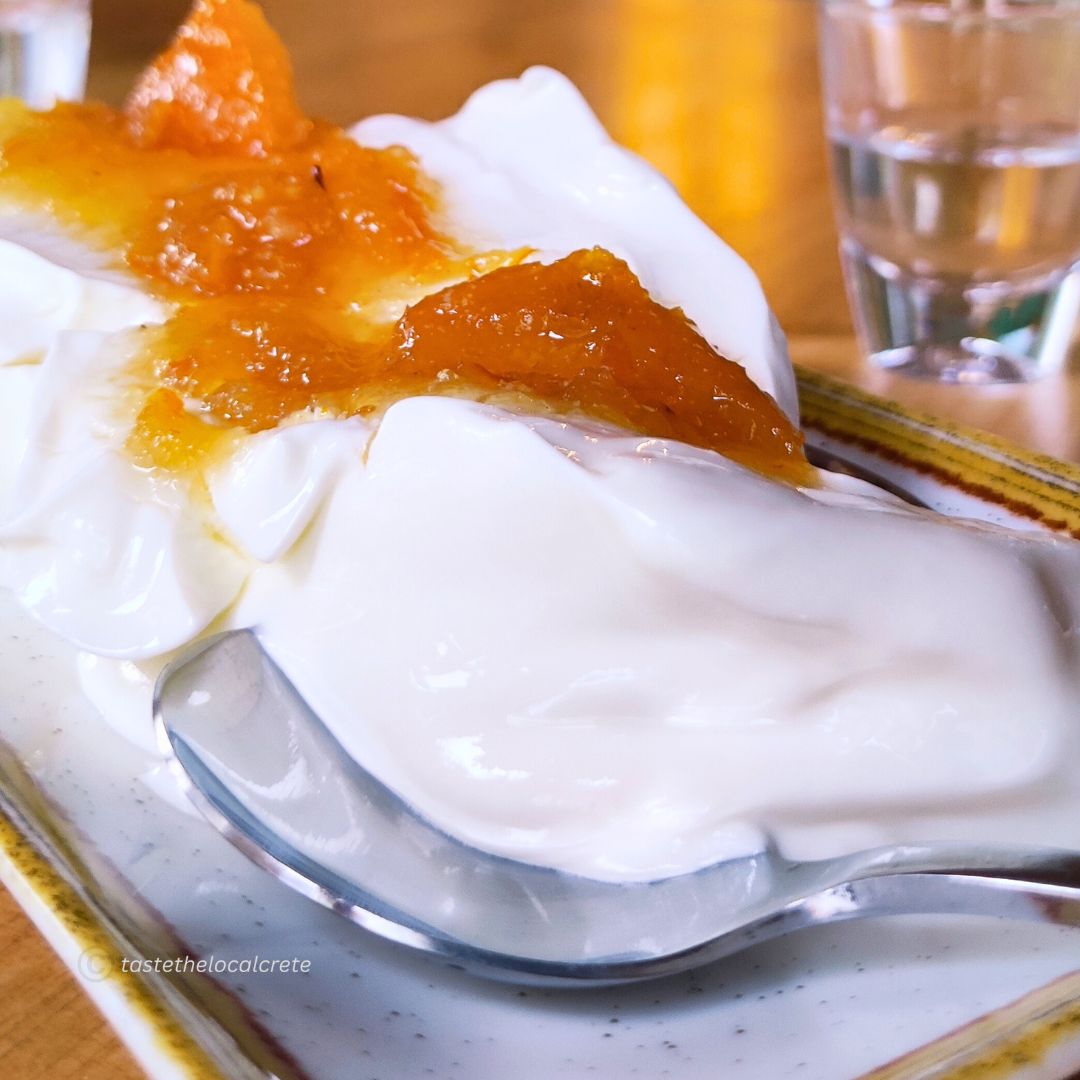
Spoon Sweets Served with Greek Yogurt
This combination shows up at the end of nearly every traditional Cretan meal, and for good reason.
Spoon sweets (glyko tou koutaliou) are fruits preserved in sugar syrup. The name comes from how they’re served: one spoonful of preserved fruit in a small dish, offered to guests as a gesture of hospitality. Common varieties include orange, fig, quince, bergamot, and grape.
When paired with thick Greek yogurt, spoon sweets create the perfect dessert balance. The yogurt’s tanginess cuts through the syrup’s sweetness, while the fruit adds texture and concentrated flavor.
Why Cretan Yogurt Is Different
Greek yogurt gets made everywhere now, but Cretan yogurt relies on high-quality local milk from goats and sheep grazing freely on the mountains. These animals feed almost exclusively on Cretan wild herbs and plants.
Remember those 1,600 different species of wild herbs and plants I mentioned earlier? Approximately 170 grow only on the island. That’s the purest feed for goats and sheep, creating milk with subtle herbal undertones that transfer directly to the yogurt.
The result is yogurt so creamy and rich that it makes regular Greek yogurt look pale in comparison. The texture is thicker, the flavor more complex, and the color often has a slight ivory tone from the high-fat content of milk from free-grazing animals.
Traditional Serving Style
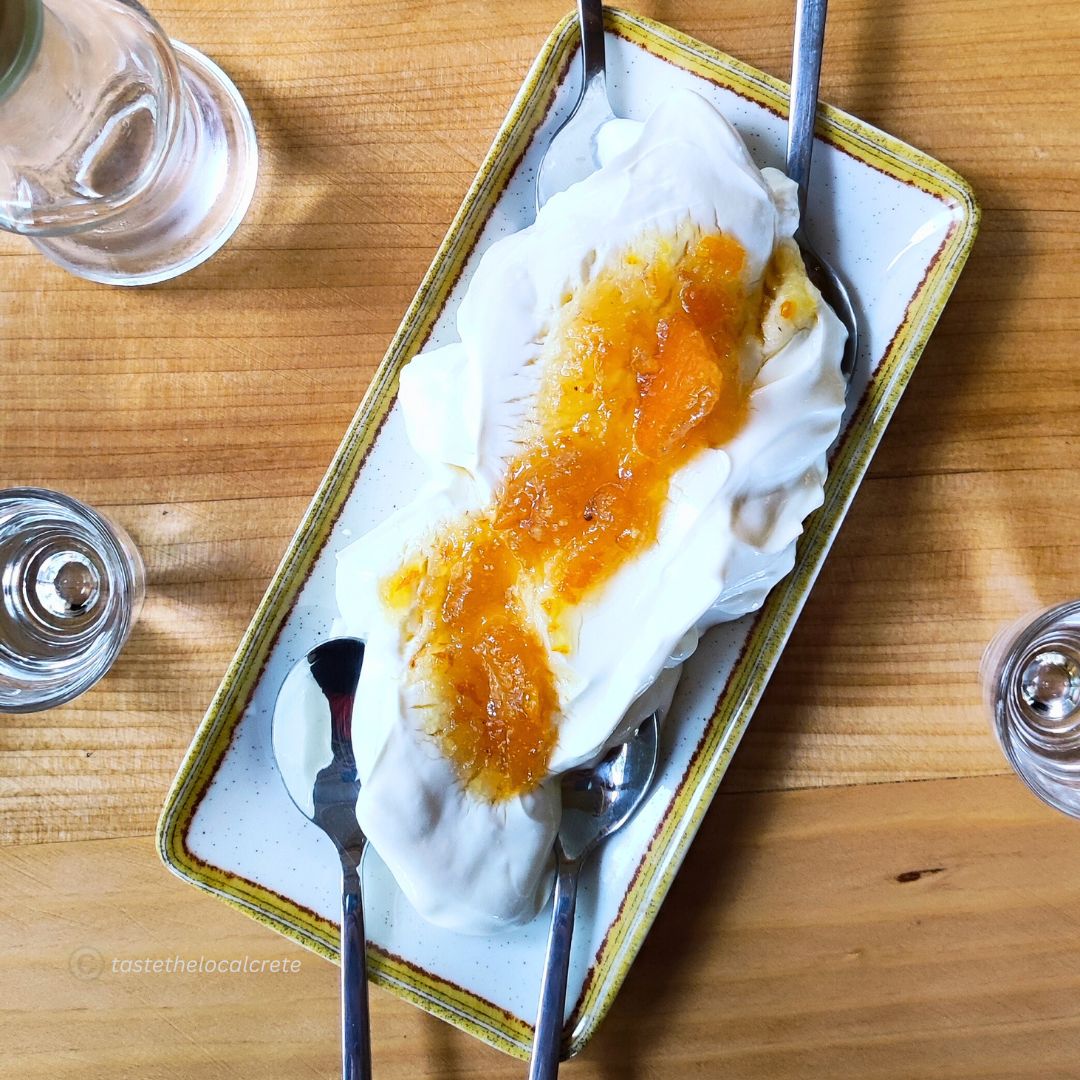
Cretans serve this combination simply. A bowl of thick yogurt topped with a spoonful of preserved fruit and maybe a drizzle of the syrup. That’s it.
No granola, no chia seeds, no elaborate presentations. Just two ingredients that have been paired together for generations because they work perfectly as they are.
Local tip: Try mizithropites dressed with spoon sweet bergamot instead of honey, or yogurt served with spoon sweet from Cretan grapes for an authentic local variation you won’t find in tourist restaurants.
Frequently Asked Questions
Are traditional Greek desserts from Crete gluten-free?
Most traditional Cretan desserts contain gluten, but alternatives exist
The majority of Greek desserts use wheat flour in their dough or phyllo pastry, which means they’re not suitable for people with celiac disease or gluten sensitivity. Xerotigana, kalitsounia, and mizithropites all rely on wheat-based dough as their foundation.
However, two options work for gluten-free diets:
Fresh mizithra cheese with honey is naturally gluten-free since it contains only cheese and honey. This simple combination gives you an authentic taste of Cretan desserts without any wheat products.
Greek yogurt with spoon sweets is also gluten-free, provided the preserved fruits don’t contain any additives with gluten. Traditional spoon sweets use only fruit and sugar syrup, making them safe for gluten-free diets.
Some modern Cretan bakeries now offer gluten-free versions of traditional pastries using alternative flours, but these aren’t the authentic recipes passed down through generations.
What other Greek desserts should I try in Crete?
Several other traditional sweets showcase Cretan ingredients and techniques
Beyond the desserts covered here, Crete offers several other traditional sweets worth seeking out:
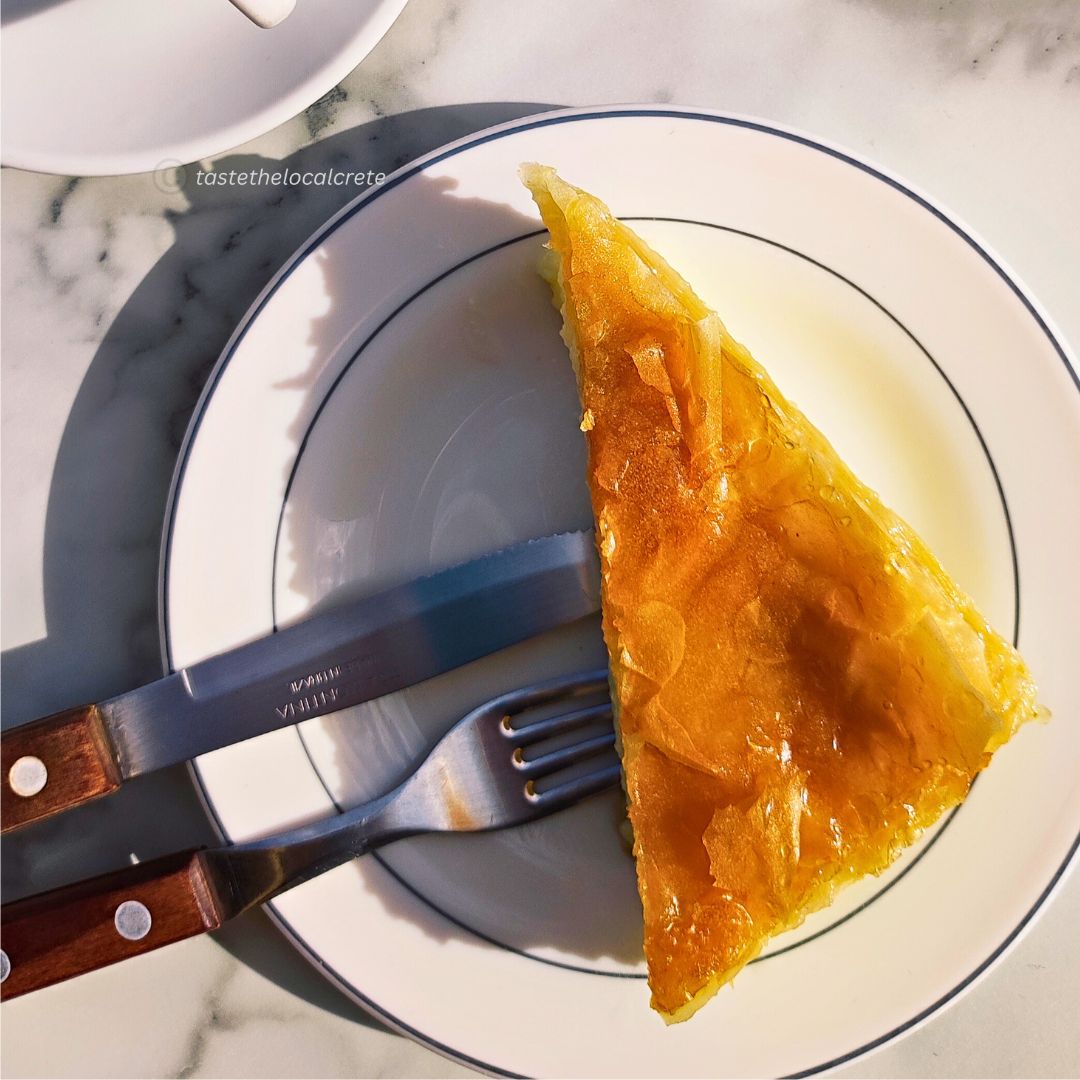
Bougatsa filled with mizithra cheese combines layers of crispy phyllo pastry with creamy cheese filling, then gets dusted with powdered sugar and cinnamon. The Cretan version uses local mizithra instead of the custard filling you’ll find in northern Greece.
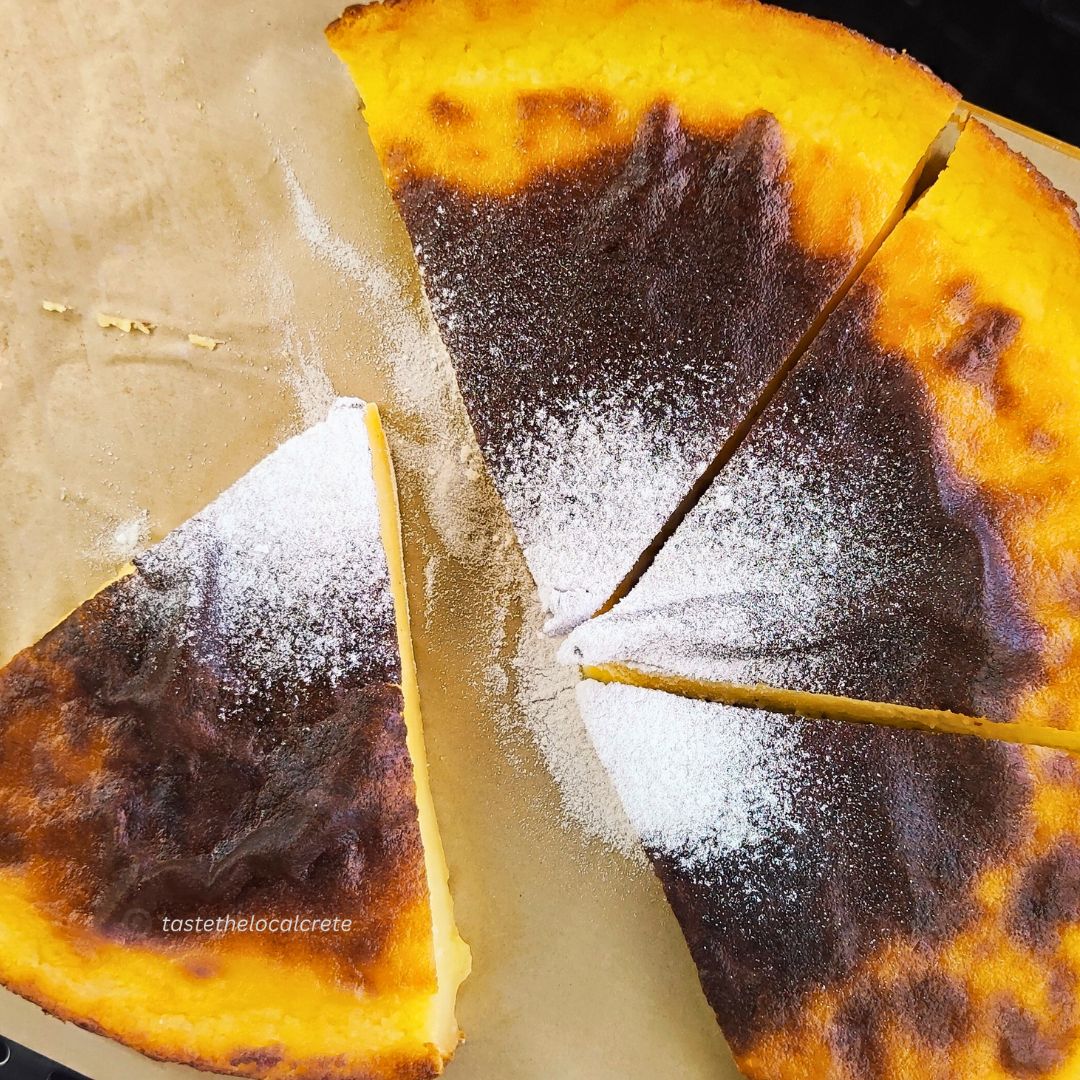
Galaktoboureko and galatopita are custard-based desserts that highlight the quality of local milk from goats and sheep grazing freely on the mountains of Crete. The custard filling showcases the rich, creamy texture that comes from animals feeding on wild herbs and plants.
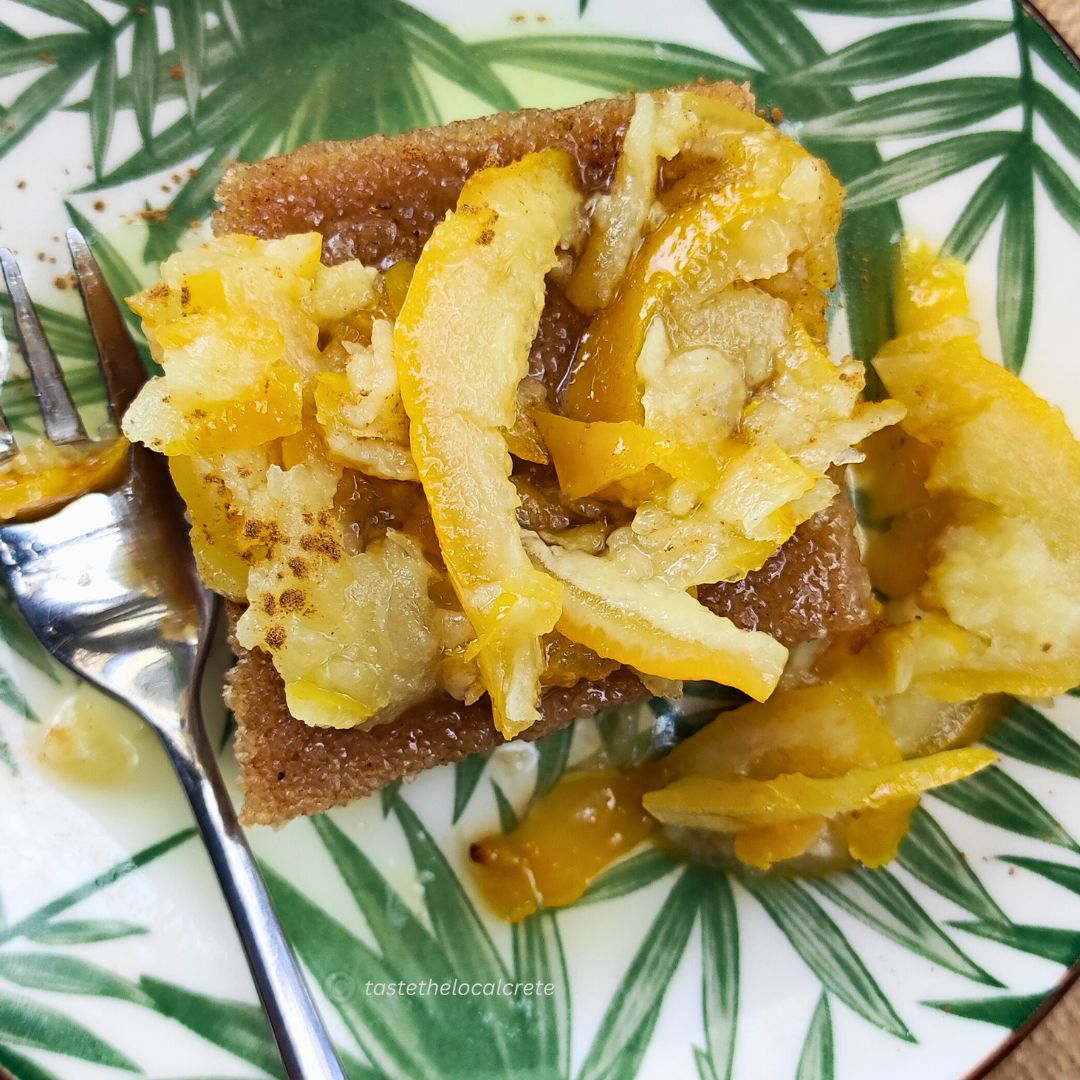
Portokalopita is an orange-flavored phyllo cake that takes advantage of Crete’s famous citrus fruits, especially oranges from the prefecture of Chania. These oranges are a PDO product called Portokalia Chanion, protected for their exceptional quality. The cake uses orange juice and zest throughout, creating an intensely citrus-flavored dessert that’s lighter than most Greek sweets.
Crete’s diverse agricultural landscape supports a variety of desserts. Olives, grapes, carobs, avocados, and citrus fruits all thrive on Cretan land, providing local pastry makers with exceptional ingredients that define regional dessert traditions.
Where can I find authentic Cretan desserts outside tourist areas?
Village bakeries and family-run pastry shops offer the most authentic versions
The best Greek desserts in Crete rarely appear in restaurants catering to tourists. You’ll find the real versions in specific places that locals actually visit:
Village bakeries in mountain towns produce traditional sweets following family recipes that haven’t changed in generations. These small operations make limited quantities, often selling out by mid-morning. The quality difference is immediately obvious when you taste pastries made with ingredients sourced from nearby farms and producers.
Local pastry shops (zacharoplasteia) in residential neighborhoods serve communities rather than tourists. Look for shops with Greek-only signage. These establishments make fresh batches daily and can tell you exactly where their cheese, honey, and other ingredients come from.
Sitia’s eastern villages remain particularly authentic because mass tourism hasn’t reached them the way it has western Crete.
Cook the Cretan Way
You can prepare some of these Cretan sweets at home with the right ingredients and techniques. Want to bring these authentic flavors to your kitchen?
The digital Cretan cookbook created by Taste the Local Crete gives you 50+ easy, authentic recipes from the daily cuisine of Crete.
You can use this digital recipe guide on your smartphone, tablet, or laptop, making it easy to cook traditional Cretan desserts and meals no matter where you are.
Start with your free digital Cretan recipe guide and begin experiencing the real taste of Crete today. The guide includes authentic recipes that showcase the simple, honest approach to cooking that makes Cretan food so special.
FREE LOCAL'S GUIDE TO CRETE
Get my free 25-page Cretan guide with insider tips and answers to your most common questions. Written by someone who actually lives here.