You’re planning your Crete trip and wondering what to eat beyond the usual Greek suspects, right?
Here’s the thing about Cretan food: moussaka and souvlaki are great, but they barely scratch the surface of what this island offers. The real magic happens in regional specialties that most tourists never discover.
Cretan gastronomy earned the European Region of Gastronomy 2026 title for good reason. This isn’t just Greek food with a regional twist. Cretan cuisine is its own thing, built on centuries of tradition, wild mountain herbs, and cooking methods you won’t find anywhere else.
Want to cook these authentic recipes at home? Download your free Cretan food recipe guide and start bringing real Cretan flavors to your kitchen!
This guide takes you to three must-try Cretan food specialties, each from a different corner of the island. You’ll taste dishes that locals have perfected over generations, using ingredients that grow nowhere else on Earth.

Eastern Crete’s Nerati Cheese Pie
Head to Sitia on Crete’s eastern edge and ask locals about their favorite Cretan food. They’ll point you straight to nerati.
This isn’t your typical cheese pie. Nerati comes from the easternmost villages of Crete, where families have been making it the same way for generations.
The ingredients sound simple: flour, extra virgin olive oil, water, and xinomizithra cheese. But here’s what makes it special: the technique uses water (nero in Greek, which gives the pie its name) to spread the dough by hand right in the pan, mixed with olive oil.
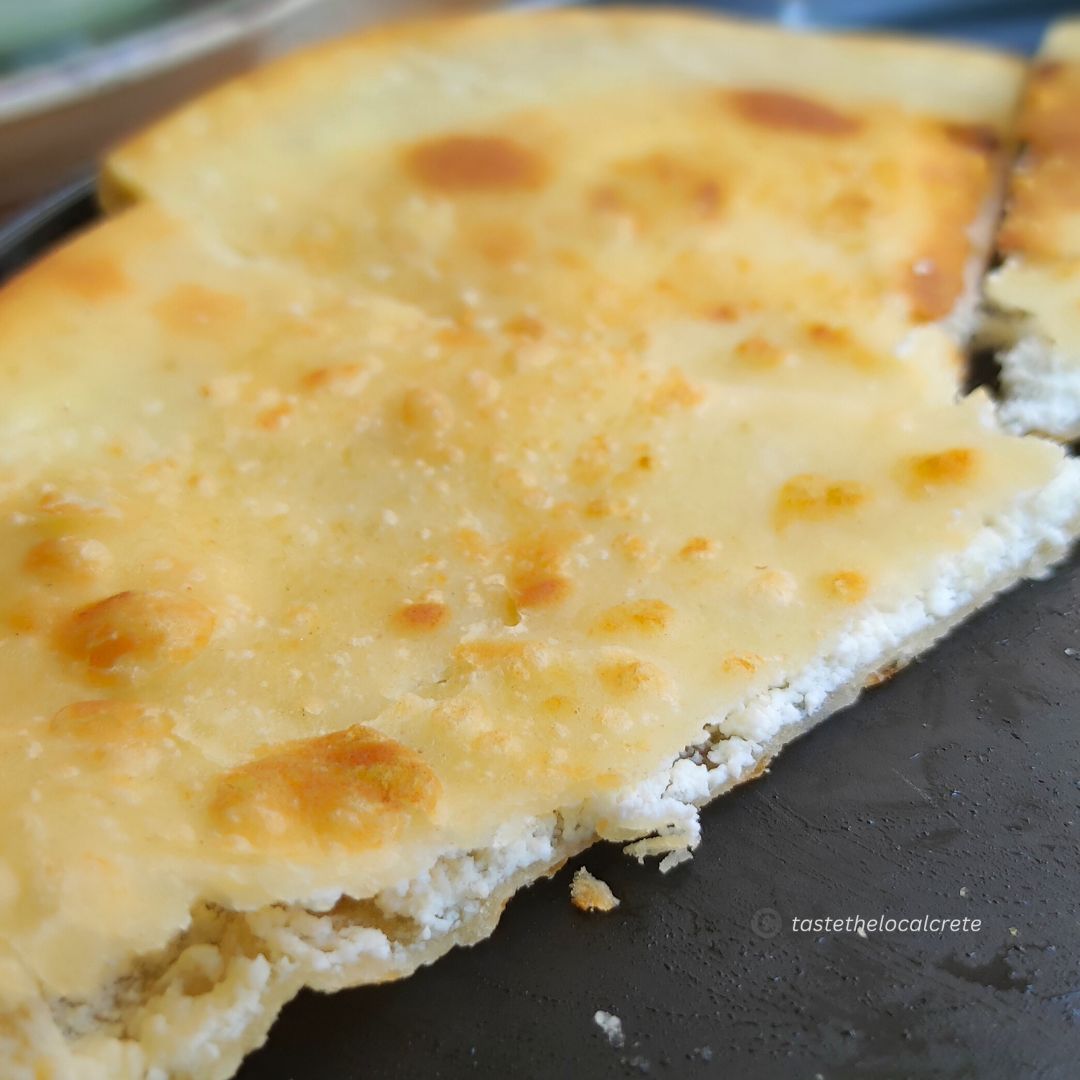
What is xinomizithra cheese?
This sour cheese holds PDO (Protected Designation of Origin) status, meaning authentic xinomizithra only comes from Crete. The distinctive tang sets it apart from any cheese you’ve tasted before.
The pie also features wild Cretan herbs and greens picked from the surrounding hills. Remember those 1,600 plant species growing across Crete? About 170 of them exist only on this island. These plants feed the free-grazing goats and sheep, which produce milk for exceptional Cretan cheese.
Speaking of cheese, Crete produces 14 different cheese varieties, more PDO cheeses than any other Greek region. The mountainous landscape provides perfect grazing land where animals roam freely, eating wild herbs that give the cheese its unique character.
Local tip: Drizzle Cretan honey on top of your nerati for an authentic breakfast experience that balances the sour cheese with natural sweetness.

The pan-cooking secret
Most Greek pies are baked in an oven. Traditional Cretan food takes a different path; the majority of Cretan pies are cooked in a pan.
This technique runs deep in Cretan culinary tradition. It reflects the island’s history of creating delicious meals with minimal equipment, a necessity when shepherds cooked in mountain shelters or families made do with basic kitchen setups.
Here’s how it works:
• Pour generous olive oil into your pan (enough to create that crispy bottom)
• Layer phyllo sheets gently, letting them ripple naturally in the oil
• Listen for the sizzle and smell the toasting phyllo (that’s your cue)
• Cook the bottom until golden brown (about 5 minutes)
• Flip and repeat
You’ll know you’ve nailed it when:
• The exterior shatters slightly when you cut it
• The center stays creamy but holds its shape
• Both sides show an even golden-brown color
• The edges curl up just a bit, bronzed and crispy

Ofto: Ancient Fire-Roasted Lamb from the Mountains
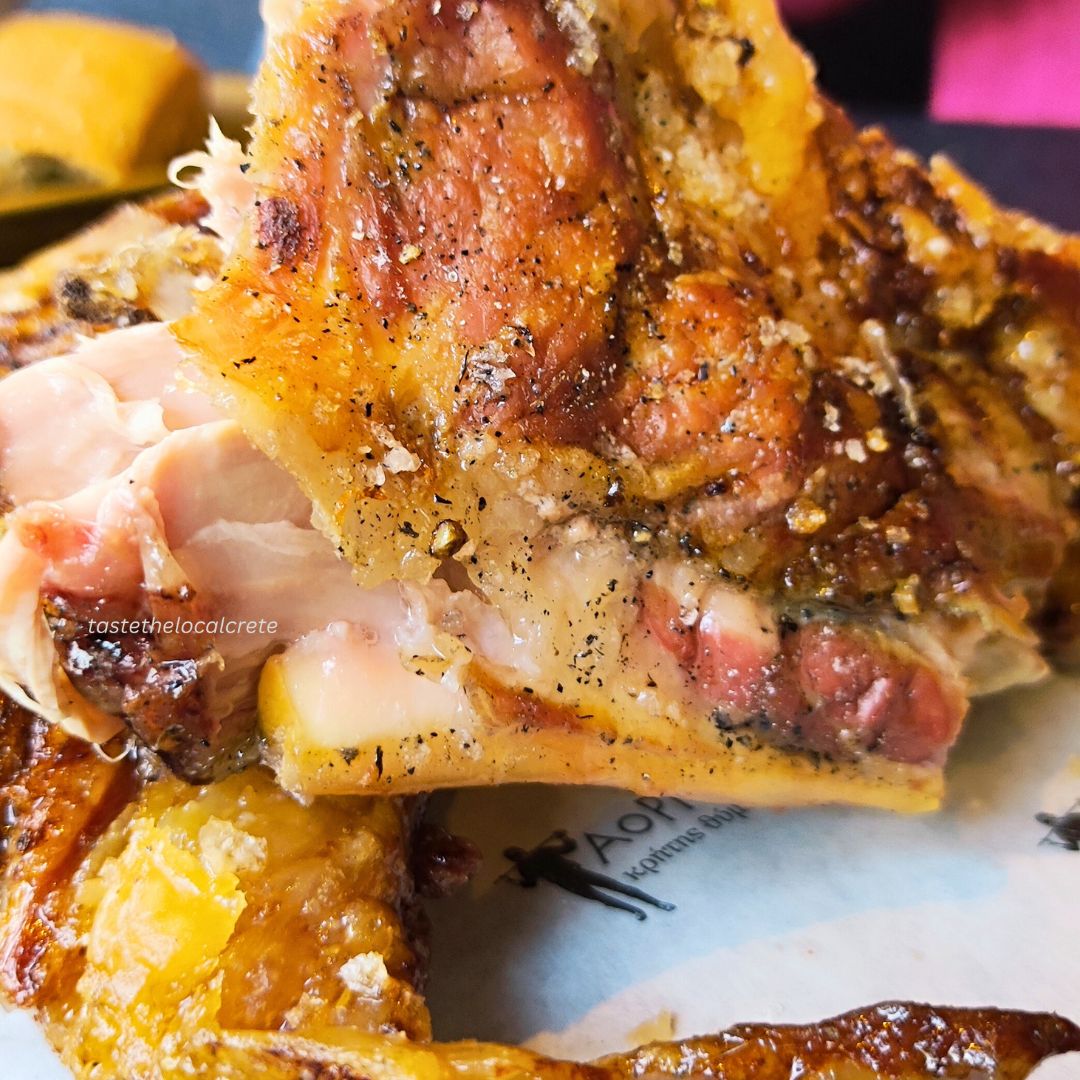
High in the Psiloritis mountains, in the village of Anogeia, you’ll witness one of the oldest cooking methods still practiced in Greece. The village of Anogeia is the birthplace of “ofto”. That’s its original name, commonly known as antikristo elsewhere. People here have the real know-how for this ancient roasting method.
Antikristo means “opposite” in Greek, describing how shepherds position large lamb cuts around a central fire.
How is ofto prepared?
The process looks simple, but requires skill passed down through generations:
• The meat (usually lamb, sheep, or chicken) gets cut into four large pieces and placed on sharp roasting spits opposite one another
• They roast slowly around a wood fire for a minimum of 90 minutes with just salt
• The fat melts slowly, so the meat stays tender
• You get the real flavor of lean meat roasted evenly, probably the healthiest way to roast meat

The health benefits are real. As the lamb roasts, fat melts and drips away, leaving you with lean meat that’s both tender and moist. This centuries-old technique reduces fat content naturally while keeping all the protein intact.
But the real magic? Those 1,600 plant species we mentioned earlier. Cretan sheep graze on wild herbs like thyme, oregano, and mountain tea. This free-range diet gives the meat a flavor profile you won’t find in farm-raised lamb from other regions.
Did you know? These same mountain herbs make Cretan dairy products special, too. The island produces 11 different local cheese varieties, each with a distinct character from the milk of herb-fed animals.
Each taverna owner in Anogeia has their own method. Some swear by specific wood types for the fire. Others position the meat at precise angles. The taste changes with seasons as sheep graze on different herbs throughout the year, adding natural complexity to this healthy dish.
Why Anogeia?
This mountain village sits at a high altitude where traditional shepherding culture remains strong. The locals take immense pride in their ofto. Walk into any taverna here, and you’ll see meat roasting around open fires, the way shepherds have cooked for centuries.
The elevation matters too. Mountain air, cooler temperatures, and the specific herbs growing at this altitude contribute to both the meat quality and the cooking process. The wood used in the fire often comes from local trees, adding subtle aromatic notes you won’t get from gas grills or conventional ovens.
Local tip: Use your fingers, not forks. That’s the authentic way to eat it.
Check out some of Crete’s best meat specialties!

Kolokythoboureko from Chania
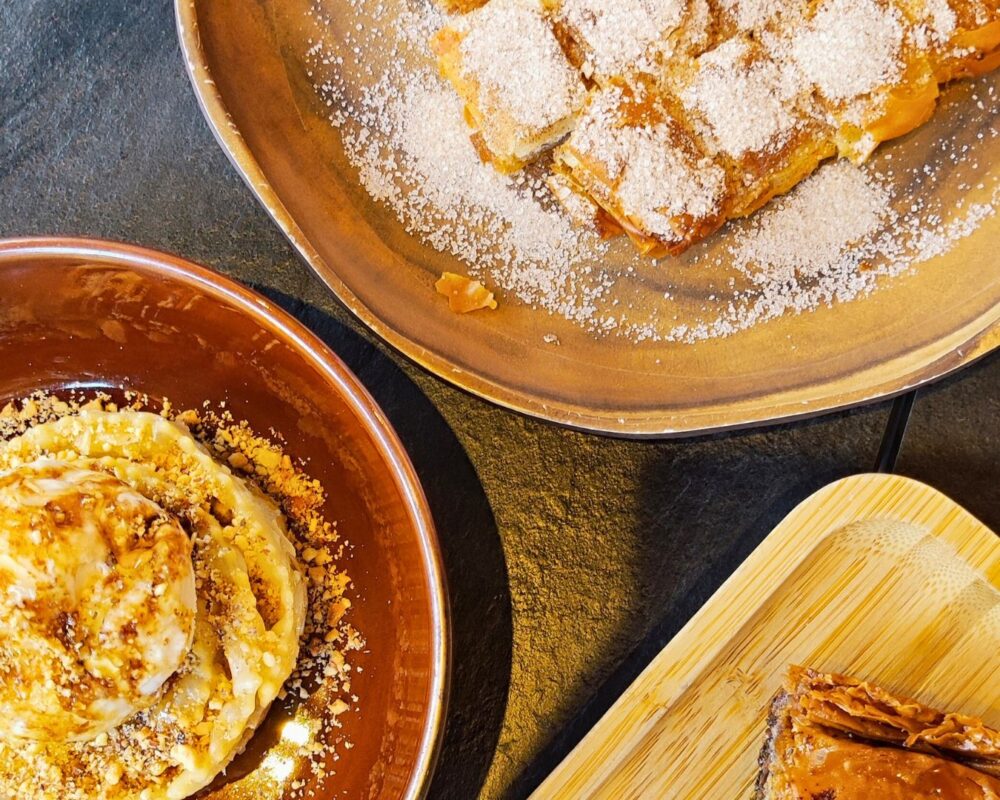
In Chania’s local food scene, kolokythoboureko stands as a prime example of Cretan food creativity. This sweet twist on traditional boureki transforms local zucchini into a dish that surprises visitors and delights locals.
Unlike its savory cousins in other parts of Crete, Chania’s kolokythoboureko combines thin layers of zucchini and potatoes with fresh mizithra cheese and freshly grated tomatoes. The dish shows how common ingredients can turn into something uniquely regional.
Summer brings this dish to its peak when local zucchini and tomatoes reach perfect ripeness under the Cretan sun. This seasonal character reflects a core principle of Cretan cooking, using ingredients at their best moment. The abundance of summer vegetables makes this the ideal time to try this specialty.

What makes Cretan cuisine different?
Cretan cuisine relies on seasonality and fresh ingredients. It’s all about a few simple ingredients, minimal cooking preparations, and distinct flavors.
Vegetables and wild greens (horta) form the basis of traditional Cretan food. There are numerous options if you follow a vegetarian-based diet. The island’s approach to vegetables goes beyond simple salads or side dishes; they’re the main event in many recipes.
The kolokythoboureko technique showcases this vegetable-forward thinking. Thin zucchini slices layered with potatoes, creating a texture contrast. Fresh mizithra adds creaminess without overwhelming the vegetables. Grated tomatoes provide moisture and a subtle tang that ties everything together.

When to find the best kolokythoboureko
Visit Chania from June through September for peak kolokythoboureko season. Local markets overflow with fresh zucchini during these months, and tavernas feature it prominently on their menus.
The dish appears in both home kitchens and restaurants, though family recipes vary significantly. Some versions lean sweeter, others more savory. Some use more cheese, others let the vegetables shine through. This variation is part of its charm; every cook puts their own stamp on it.
Looking for the authentic experience? Skip the tourist-heavy areas and head to neighborhood tavernas where locals eat. These places often serve whatever’s fresh that day, prepared the way their grandmothers taught them.

Frequently Asked Questions
When is the best time to try these regional Cretan dishes?
Summer is ideal for Kolokythoboureko when zucchinis and tomatoes are in season. Antikristo and Nerati pies are available year-round.
For the complete experience, plan your visit between May and October. This window gives you access to all three specialties plus the widest variety of seasonal ingredients. Summer markets overflow with fresh produce, and mountain tavernas in places like Anogeia operate at full capacity.
Winter visits offer their own advantages. Fewer tourists mean more authentic interactions with locals, and many traditional Cretan foods taste even better in cooler weather. The ofto tradition continues year-round in Anogeia, where shepherds roast meat regardless of season.
Are these dishes suitable for vegetarians?
Nerati pies and Kolokythoboureko are vegetarian-friendly as they contain cheese. Antikristo is a meat dish with no vegetarian alternative.
Cretan cuisine offers extensive vegetarian options beyond these two dishes. Wild greens (horta) appear in countless recipes. Legume-based dishes like fava (yellow split peas) and various bean stews feature prominently in traditional cooking. Many Cretan pies use seasonal vegetables or greens as filling.
The abundance of local cheese varieties opens up even more possibilities. From soft, creamy cheeses to hard, aged varieties perfect for grating, vegetarian travelers will find plenty to explore in Cretan food culture.
What other Cretan food meat dishes should I try?
Make sure to include apaki meat, tsigariasto lamb, and lamb chops on your list.
Apaki: In smokehouses across Crete, locals make apaki, a cured meat that combines smoking and spices.
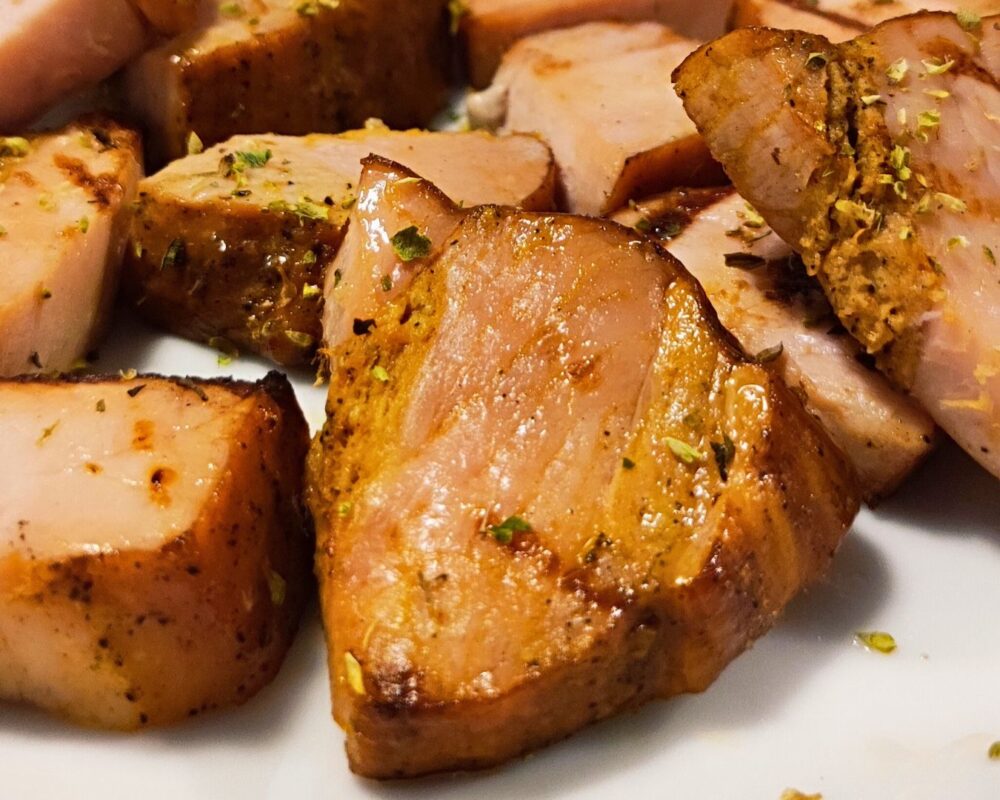
Traditionally made from pork tenderloin (though you’ll now find chicken versions too), apaki starts with lean cuts marinated in vinegar, then smoked with local herbs and spices.
A beloved Greek meze dish commonly served in the local kafeneia of Crete, it is also a versatile ingredient in various upscale restaurant recipes.
Tsigariasto: Tsigariasto shows how Cretans turn simple ingredients into memorable food. This traditional dish starts with lamb or goat meat cut into small pieces and cooked slowly in olive oil until tender.
The name comes from the word “tsigarizo” which means to fry or sauté in the Cretan dialect.
Lamb chops: Cretan lamb chops stand out from typical grilled meat through their marinade and preparation.
Local butchers cut the chops thinner than you might find elsewhere, allowing them to absorb more flavor from the marinade and cook quickly over high heat.

What makes these dishes different from regular Cretan food?
These are traditional specialties beyond the popular Cretan food dishes you’ll find in mainstream tourist spots. Each one connects directly to a particular area of Crete, reflecting local ingredients, cooking methods, and cultural traditions that vary across the island.
Nerati belongs specifically to Sitia and the eastern villages. You won’t find authentic nerati in Chania or Heraklion; the recipe, the technique, and even the specific cheese variety come from this easternmost region. The wild herbs used in the filling grow in these particular mountains and hillsides.
Ofto (antikristo) reaches its highest expression in Anogeia, where shepherding traditions remain strongest. While you might find versions of fire-roasted meat elsewhere, the Anogeia approach represents centuries of refinement in this specific mountain environment.
Kolokythoboureko shows Chania’s particular take on seasonal vegetables, different from how other regions might prepare similar ingredients. The combination, the proportions, and the preparation method reflect Western Crete’s culinary preferences.
Why this regional specificity matters
Most tourists stick to popular areas and well-known dishes. They taste good Cretan food, but they miss the deeper story of how Crete’s diverse geography created distinct food cultures in different corners of the island.
Visiting Crete’s easternmost town (Sitia) to try the authentic recipes linked to the area is a perfect way to get connected to the less-traveled Crete.
The journey to Sitia takes you through landscapes that gradually shift from the familiar tourist zones to more remote, authentic villages where traditional Cretan food culture thrives without tourist influence.

Want to bring Cretan food to your kitchen?
Cook the Cretan way! The digital Cretan cookbook by Taste the Local Crete offers more than 50 easy recipes from the daily local cuisine.
These recipes capture the essence of Cretan cooking: simple preparations that let quality ingredients shine through.
Start with your free digital recipe guide to bring the real taste of Crete to your table!
FREE LOCAL'S GUIDE TO CRETE
Get my free 25-page Cretan guide with insider tips and answers to your most common questions. Written by someone who actually lives here.