You’ve got one day in Rethymno town. Can you really experience anything meaningful in just 24 hours?
What makes Rethymno town special? It’s the third-largest city in Crete, but it doesn’t feel overwhelming. You can walk everywhere. The 12km sandy beach stretches just meters from the old town’s narrow alleys.
Rethymno town sits perfectly between Crete’s two major cities, making it an ideal day trip whether you’re staying in Heraklion or Chania. The city offers something most destinations promise but rarely deliver: walkability without the crowds, authentic local culture within tourist-friendly infrastructure, and beach relaxation combined with cultural depth.
This guide breaks down exactly how to spend a day trip in Rethymno town, organized by experience type rather than a rigid schedule. Whether you’re after beach time, cultural sites, sunset views, or authentic food, you’ll know where to go and what to skip.
Want to taste the best of Rethymno’s local food scene? Get your free foodie’s guide to explore favorite restaurants in Rethymno and check out all the good local spots in the charming old town. Use this local guide as a first-day guide or as a food itinerary for a longer trip.
Beach Time: Rethymno Beach Offers More Than You’d Expect
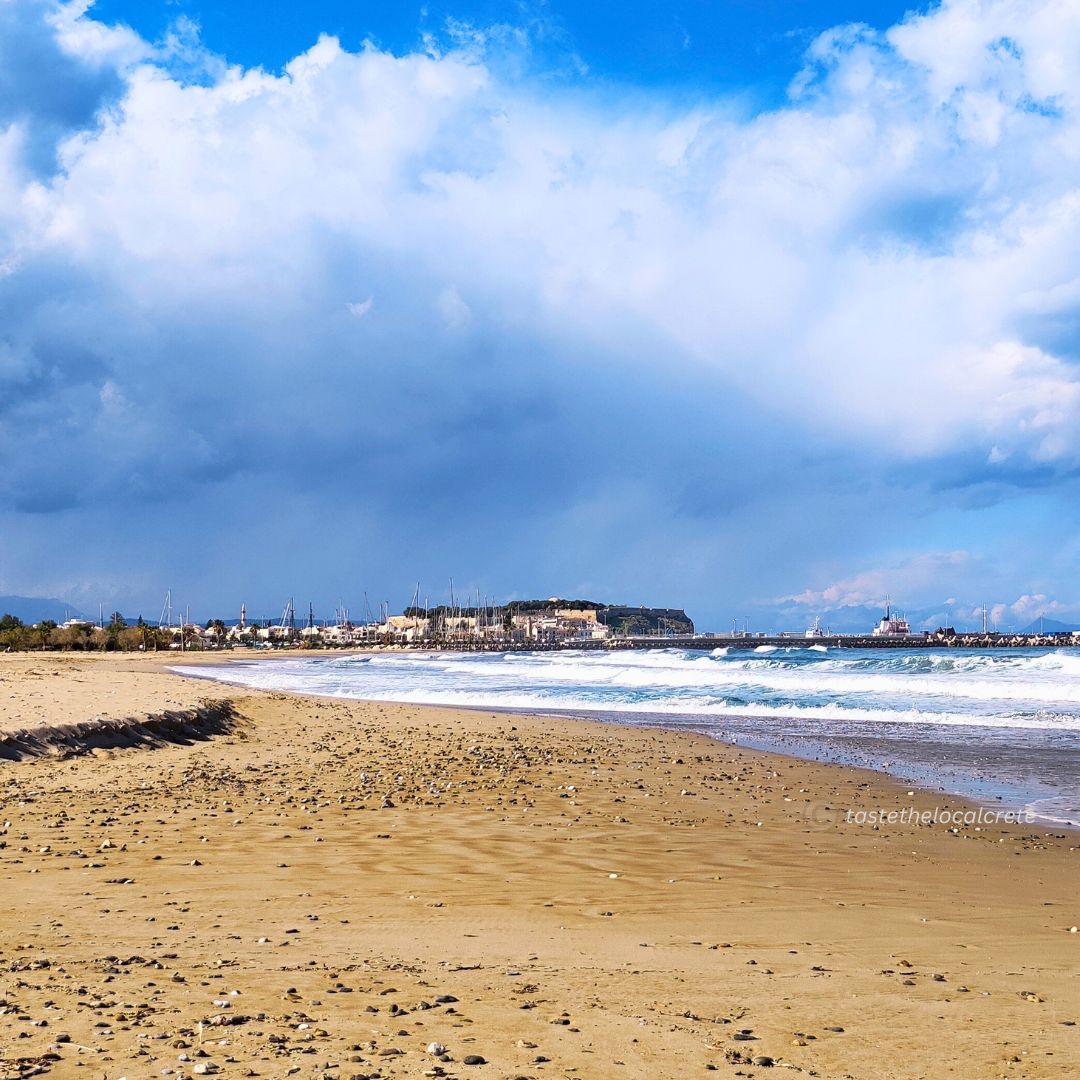
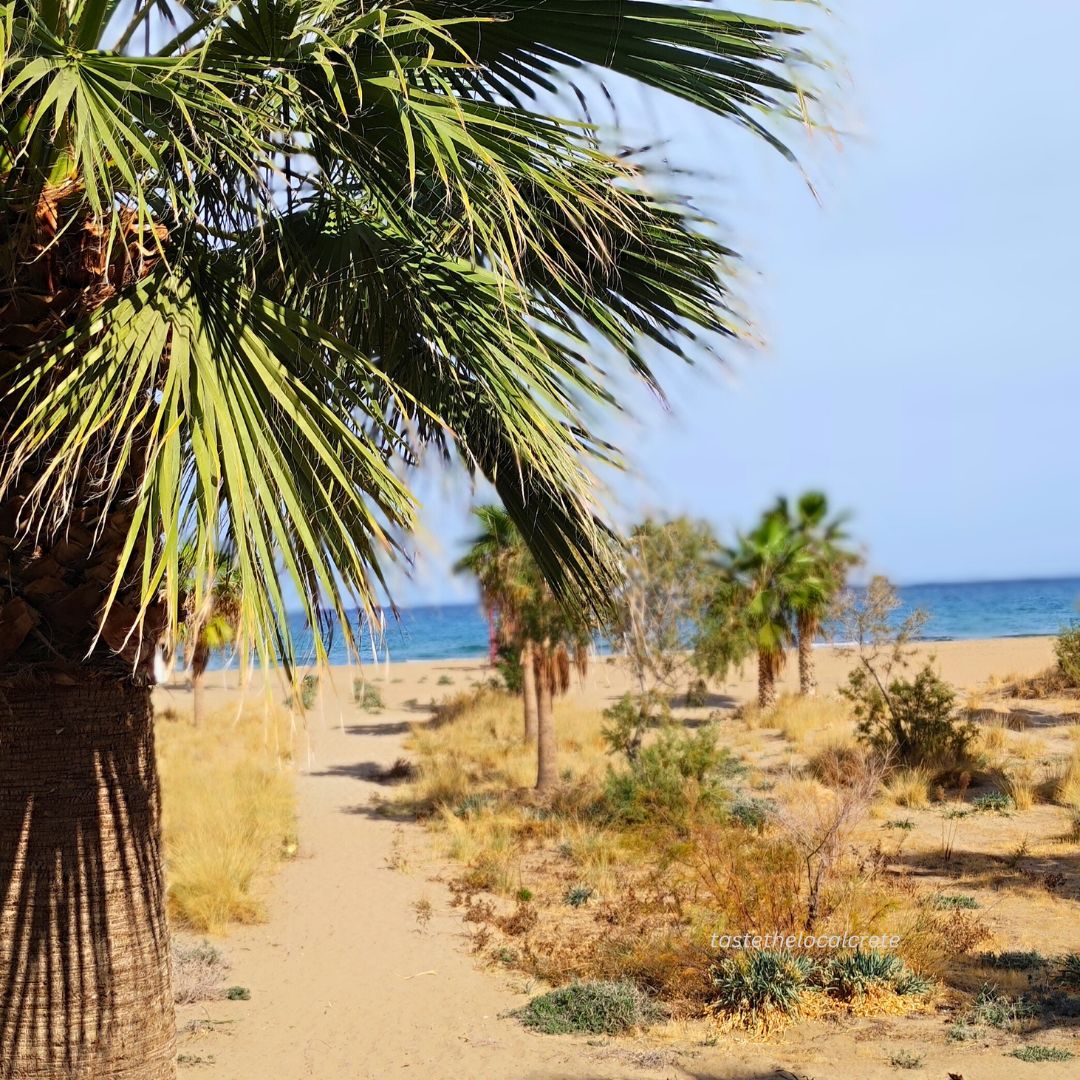
Rethymno beach stretches 12 kilometers along the northern coast, starting just a few meters from the old town center. This isn’t some crowded strip where you fight for space. The beach offers room to breathe.
What You’ll Find at Rethymno Beach
The beach splits into organized and free sections. Organized areas line up with rows of umbrellas and sunbeds. Free sections give you space to lay your towel without paying for rentals.
Water sports operators set up along certain stretches if that’s your thing. Paddleboarding, jet skiing, and parasailing all happen here during the summer months. If you prefer quiet, walk further east where the beach becomes less developed.
The promenade runs parallel to the beach, lined with cafes and tavernas. You can grab coffee, lunch, or evening drinks without leaving the beach area. Some places are tourist-focused with inflated prices. Others cater to locals year-round with better value.
Best Time to Hit Rethymno Beach
Early morning (before 10 AM) gives you the beach almost to yourself. The water is calm, the sand is cool, and you can actually choose your spot. By midday, especially in July and August, crowds fill the organized sections.
Late afternoon (after 5 PM) brings locals down to swim after work. The intense heat mellows, and the water temperature feels perfect after baking in the sun all day.
Swimming here feels safe. Lifeguards patrol organized sections during peak season. The gradual depth and lack of strong currents make Rethymno beach suitable for confident swimmers and nervous paddlers alike.
Sunset Spots: Where Rethymno Town Really Shines
Two locations stand out, each offering different perspectives on the same golden hour.
The New Port (Marina)
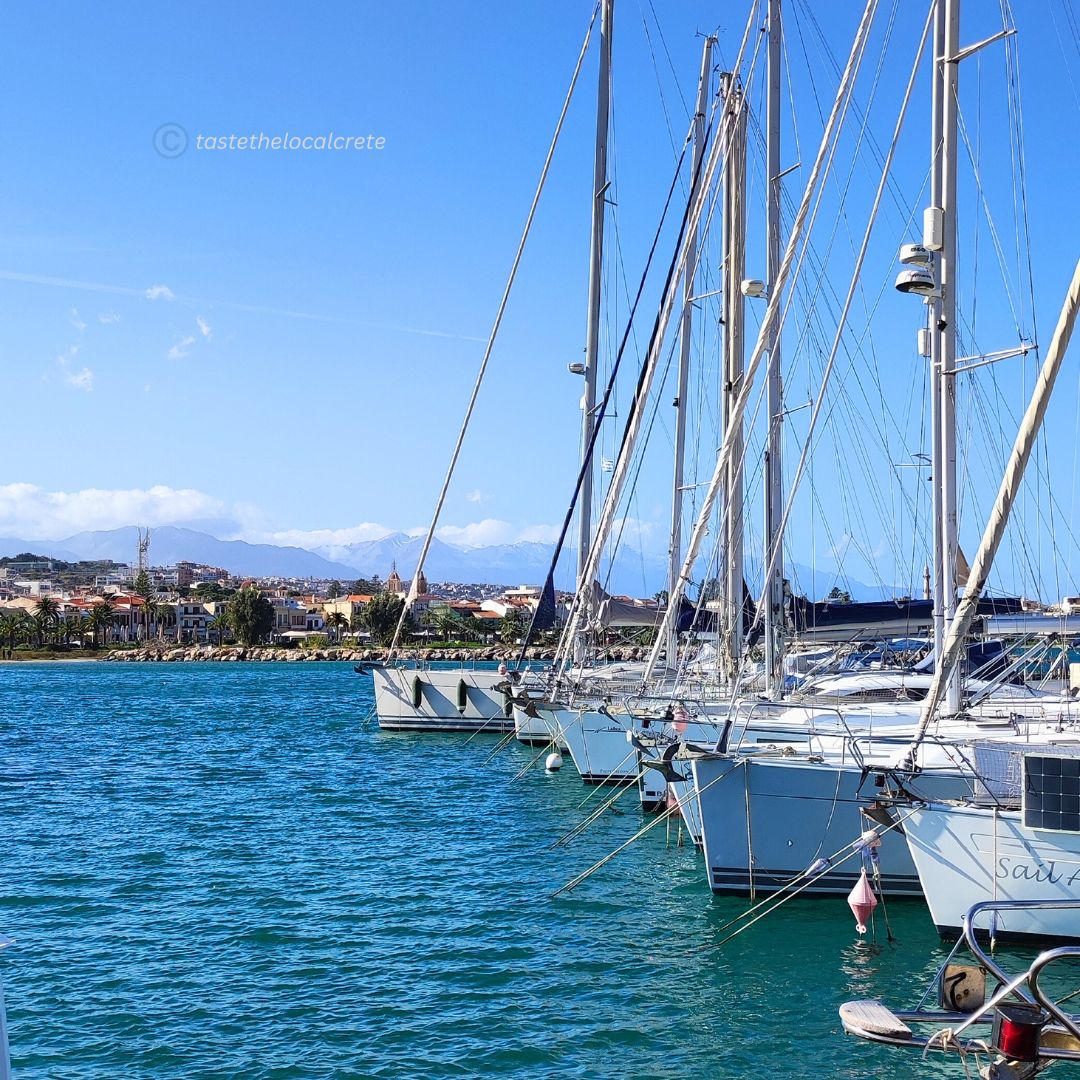
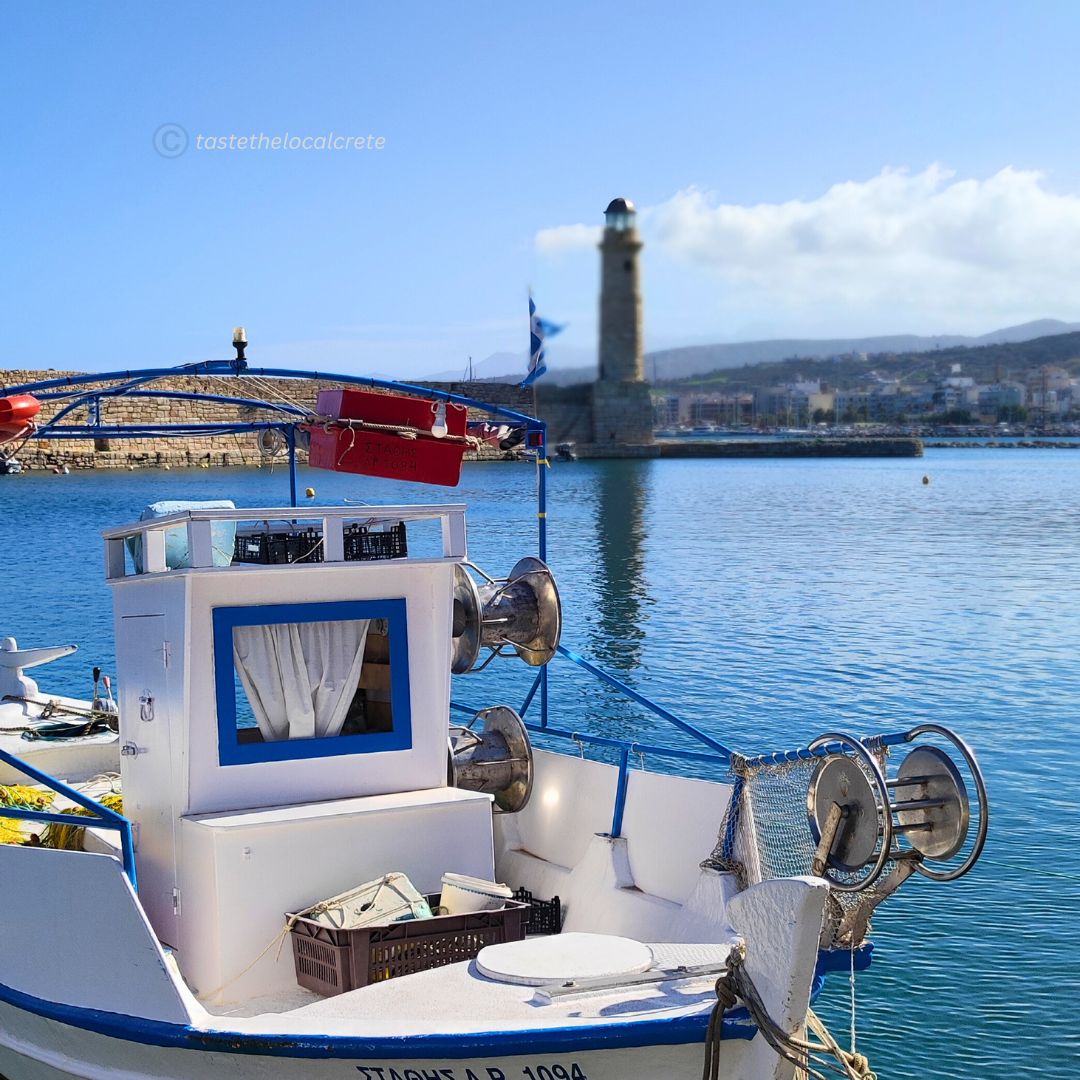
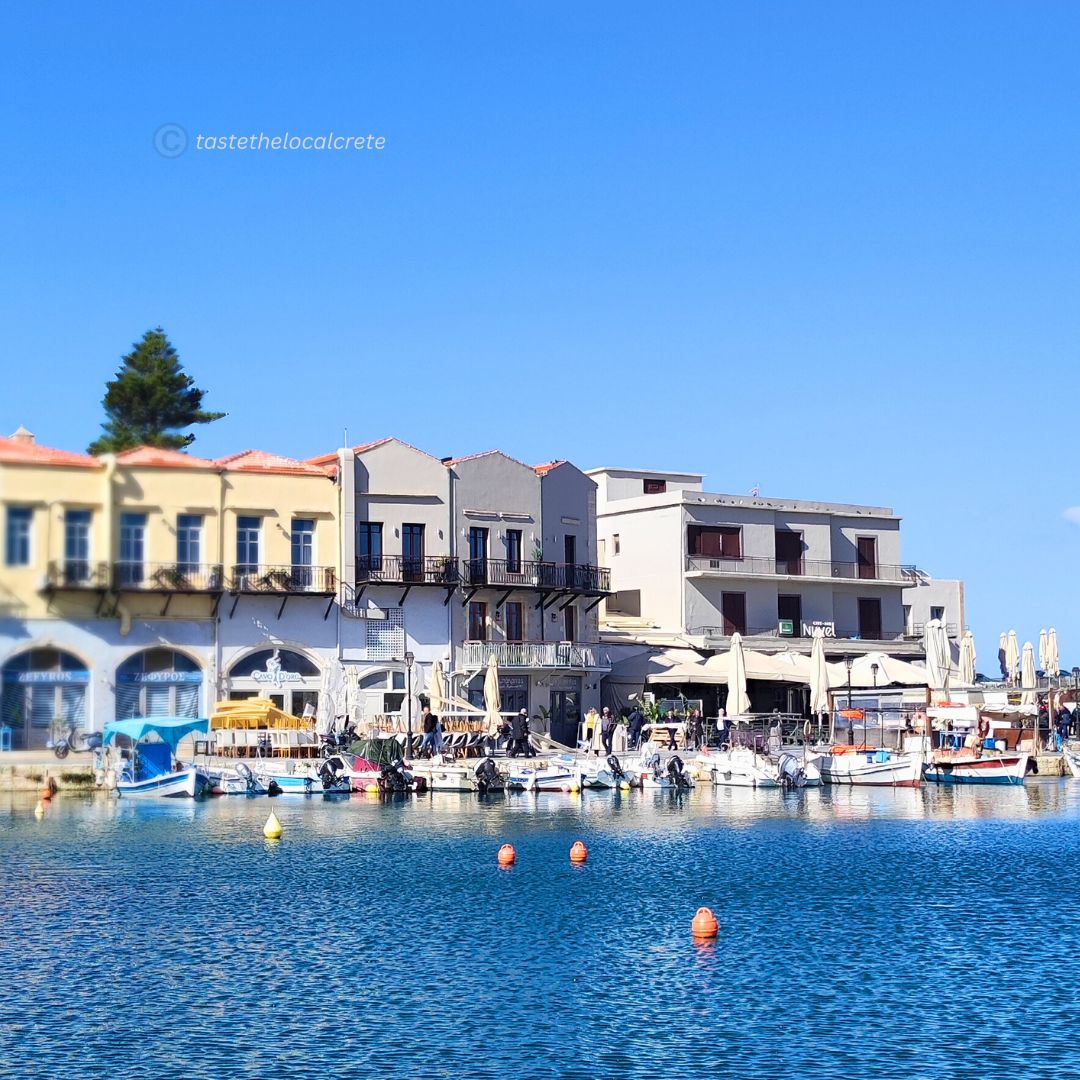
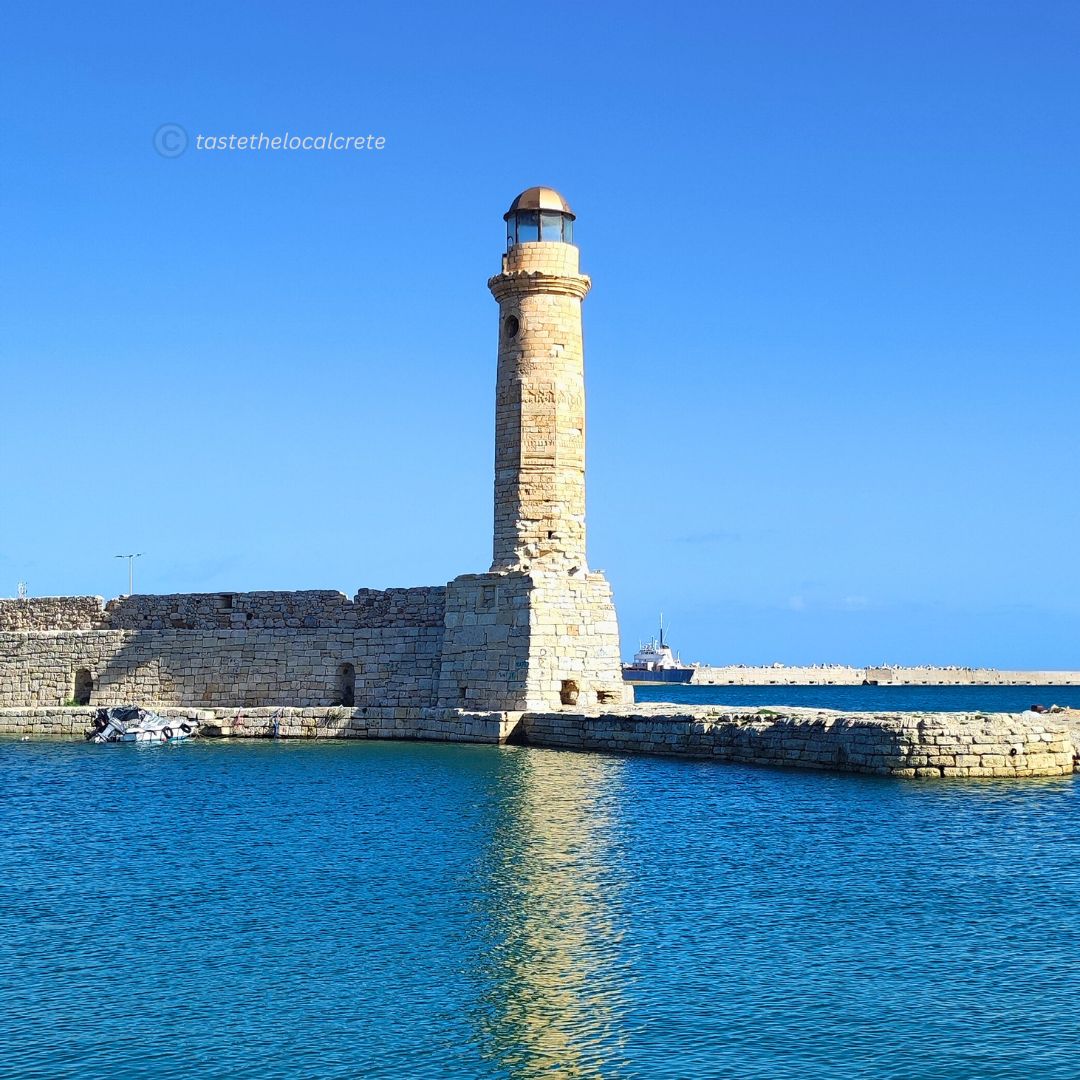
The new port sits on the eastern side of town, a modern marina with boats bobbing in protected waters. Walk out along the pier, and you get an unobstructed view north across the Cretan Sea, with the Castle of Fortezza rising to your left.
This spot works best around 6-7 PM, depending on the season. The sun drops toward the horizon, backlighting the fortress and turning the old town buildings honey-gold. The marina walkway is wide and uncrowded. Benches line the pier if you want to sit.
Couples favor this location for romantic walks. Photographers show up for the fortress silhouette shots. But honestly? It’s just a peaceful place to watch the day transition to evening without competing for space or paying for a drink you don’t want.
The Castle of Fortezza
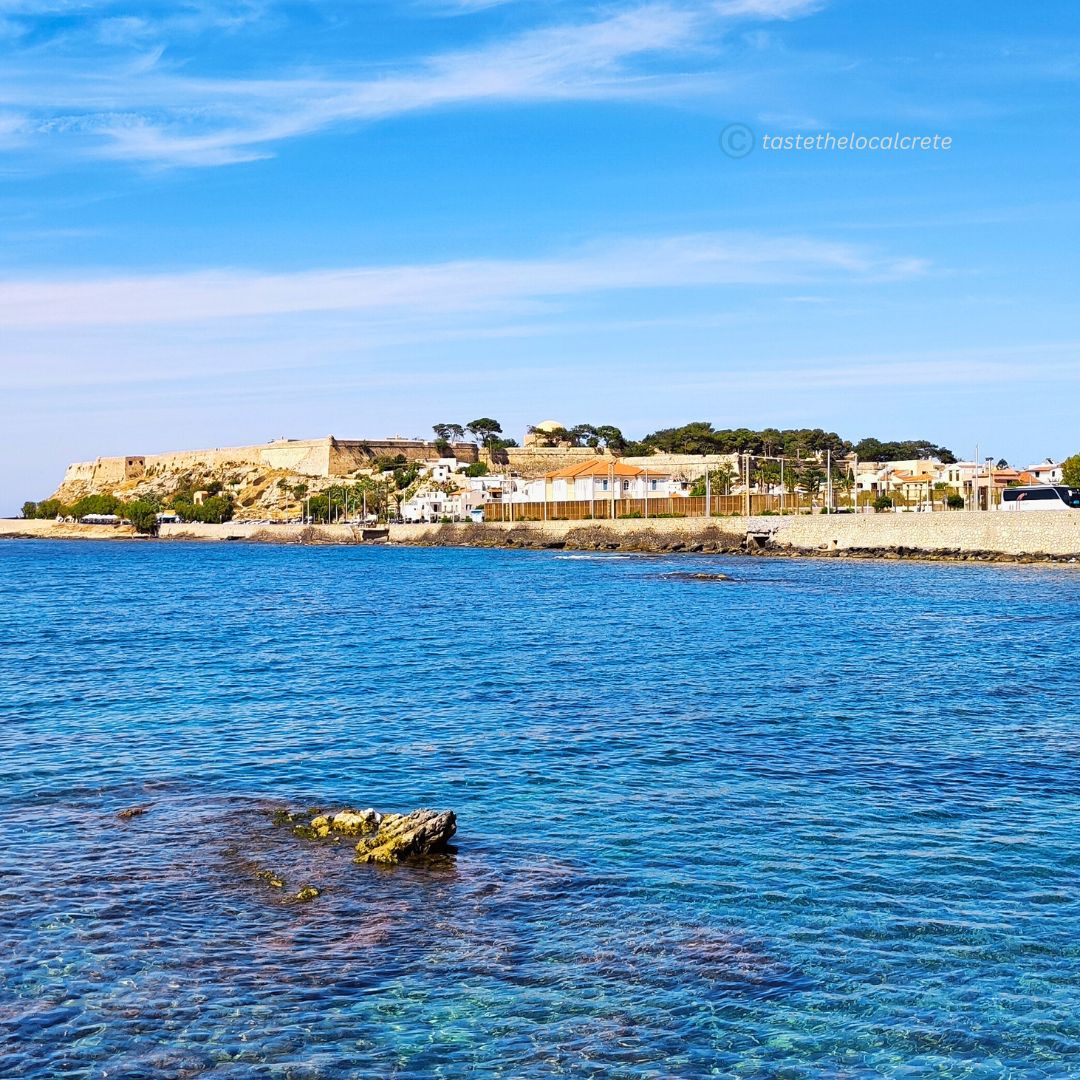
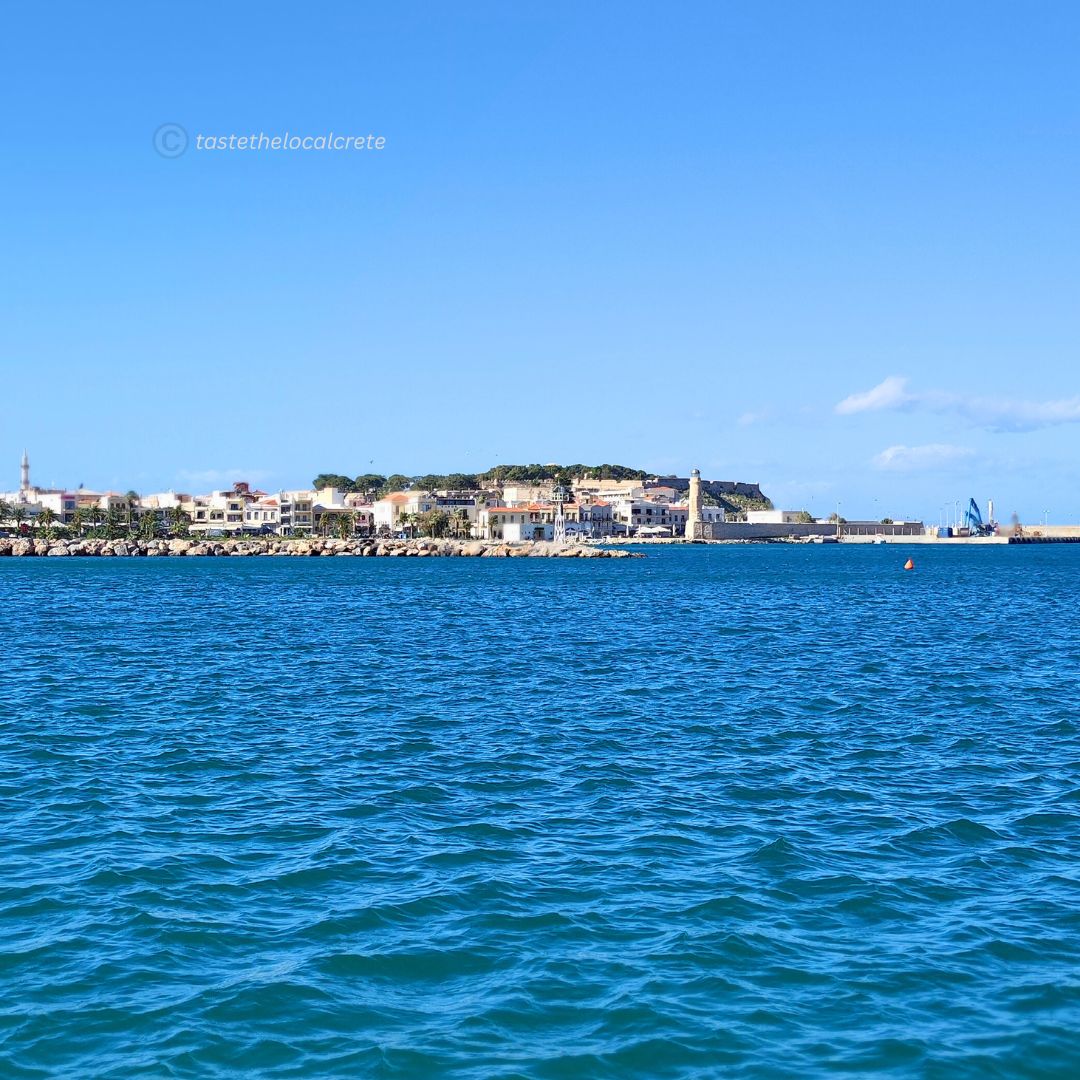
The Fortezza offers the opposite view: looking down instead of up. This 16th-century Venetian fortress sits on Paleokastro Hill, dominating Rethymno town’s skyline. The Venetians built it as defensive infrastructure, and it served that purpose through various occupations.
Walk up the hill to the central entrance. The path is paved but steep in sections. Once inside, you’ll find partially restored walls, a mosque converted from a church, storage rooms, and most importantly, panoramic views in every direction.
Look north, and you see the Cretan Sea stretching to the horizon. Turn around, and the White Mountains rise in the distance. Below, the old town spreads out with its maze of narrow streets and red-tiled roofs.
The fortress charges a small entrance fee (around 4 euros), but it’s worth it for the views alone. Go about an hour before sunset. You’ll have time to explore the ruins while the light is still good, then position yourself for the sunset show.
Cultural Stops: Old Town Rethymno Rewards Wandering
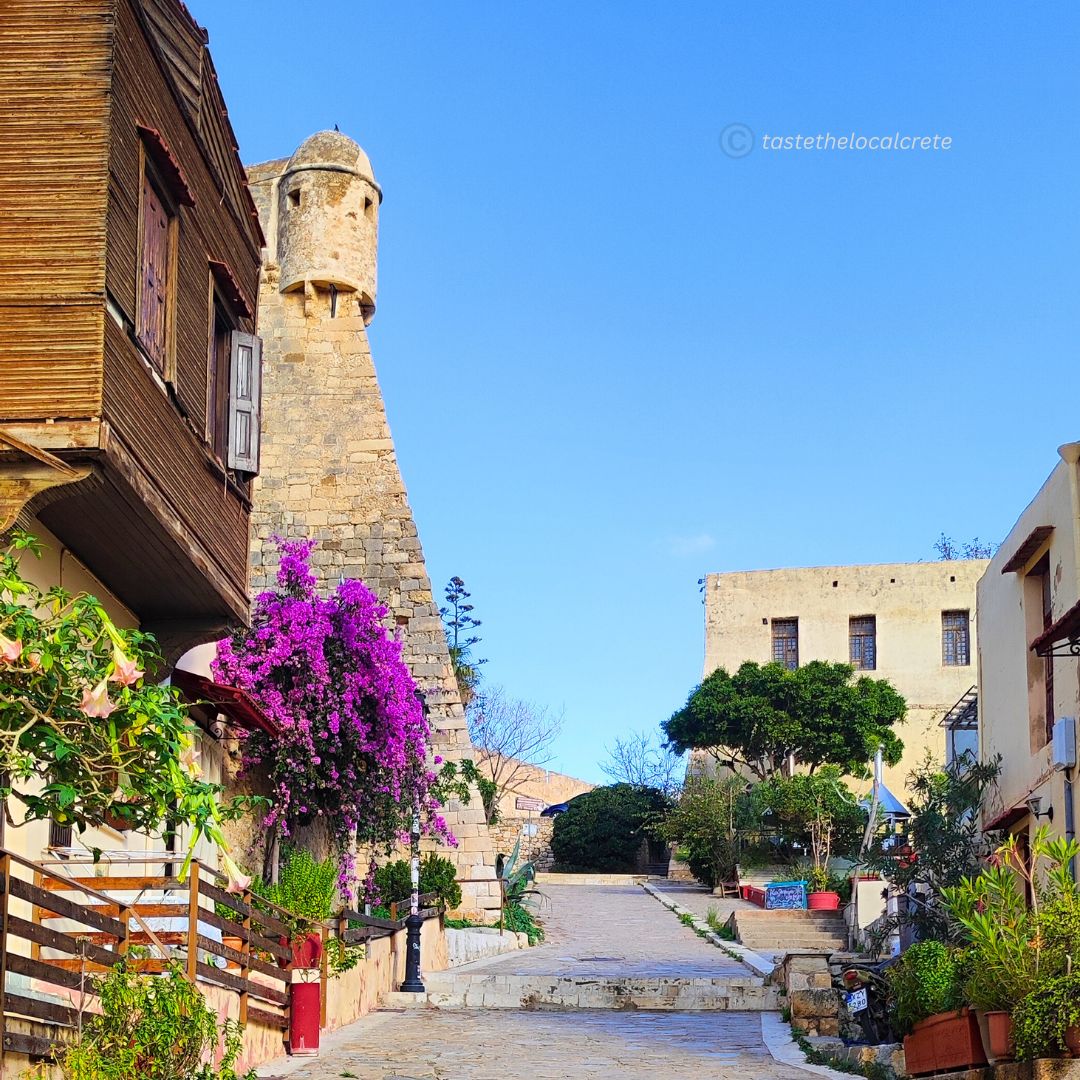
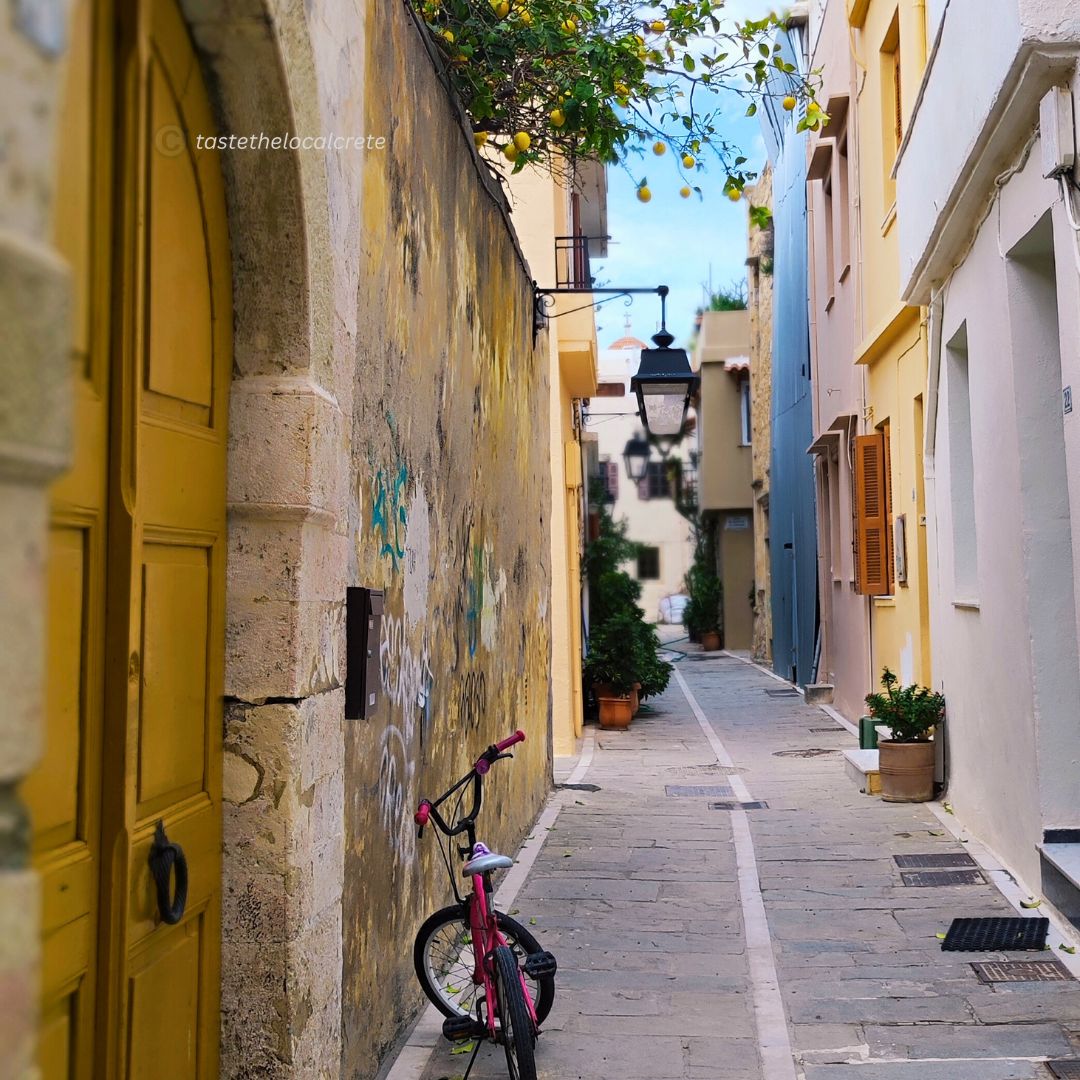
The old town of Rethymno feels like someone designed it specifically for getting lost. Narrow alleys branch off in unexpected directions. Small squares appear when you least expect them. Venetian doorways lead to courtyards you didn’t know existed.
This isn’t accidental. The old town developed over centuries, with each ruling power (Venetians, Ottomans, modern Greeks) adding its architectural layer. The result is a built environment where you can’t walk ten meters without encountering something historically significant.
What to Look For While Walking
The Rimondi Fountain sits in a small square in the heart of the old town. Built by the Venetians in 1626, it features three lion heads spouting water into basins. Locals still fill water bottles here. It’s functional infrastructure that happens to be beautiful.
The Neratze Mosque started life as a Venetian church, converted to a mosque during Ottoman rule, and now serves as a concert hall. The minaret still stands, one of the few remaining in Rethymno town. You can’t miss it—the tall tower rises above the surrounding buildings.
Small museums dot the old town if that interests you. The Archaeological Museum houses Minoan artifacts. The Historical and Folk Art Museum shows traditional Cretan life through tools, textiles, and household objects. Both are small enough to visit in under an hour.
But honestly? The best way to experience old town Rethymno is to just walk. No map, no planned route. Duck down alleys that look interesting. Follow the sounds of conversation to hidden tavernas. Stop at shops selling local products—olive oil, herbs, and handmade crafts.
Evening Changes Everything
The old town transforms at night. Tourists thin out after sunset. Restaurants fill with locals having dinner. Soft lighting from doorways and windows creates an atmosphere that daytime sun can’t match.
Walk the same streets you covered during the day, and they feel completely different. Shadows deepen the architecture. Sounds carry differently—voices, music, the distant crash of waves on the beach below.
This is when you understand why people fall for Rethymno town. It’s not about checking off monuments. It’s about experiencing a place that functions as a living city rather than an outdoor museum.
Where to Recharge: Municipal Garden Offers Unexpected Calm
Right in the city center, the Municipal Garden provides a green escape from stone streets and summer heat. This botanical garden isn’t large; you can walk through it in 15 minutes if you rush. But why would you rush?
The garden collects rare plant species and flowers, carefully maintained by the municipality. Paths wind through sections organized by plant type. Shade from mature trees cools the air by several degrees compared to the streets outside.
Benches sit at regular intervals. Locals use the garden as a shortcut between neighborhoods, stopping to rest or read. In the early evening, the garden fills with people taking leisurely walks, kids running on the paths, and elderly residents sitting in the cool air.
This spot works perfectly for a midday break when the sun gets too intense. Grab a coffee from a nearby cafe, find a shaded bench, or enjoy the garden’s lovely cafe (Le jardin), and give yourself 20-30 minutes to just sit.
Food: What Makes Rethymno Cuisine Different
Rethymno sits in western Crete, so local food traditions differ from those in the eastern regions. The area has a long cheese-making heritage. Dishes incorporate wild greens harvested from nearby mountains.
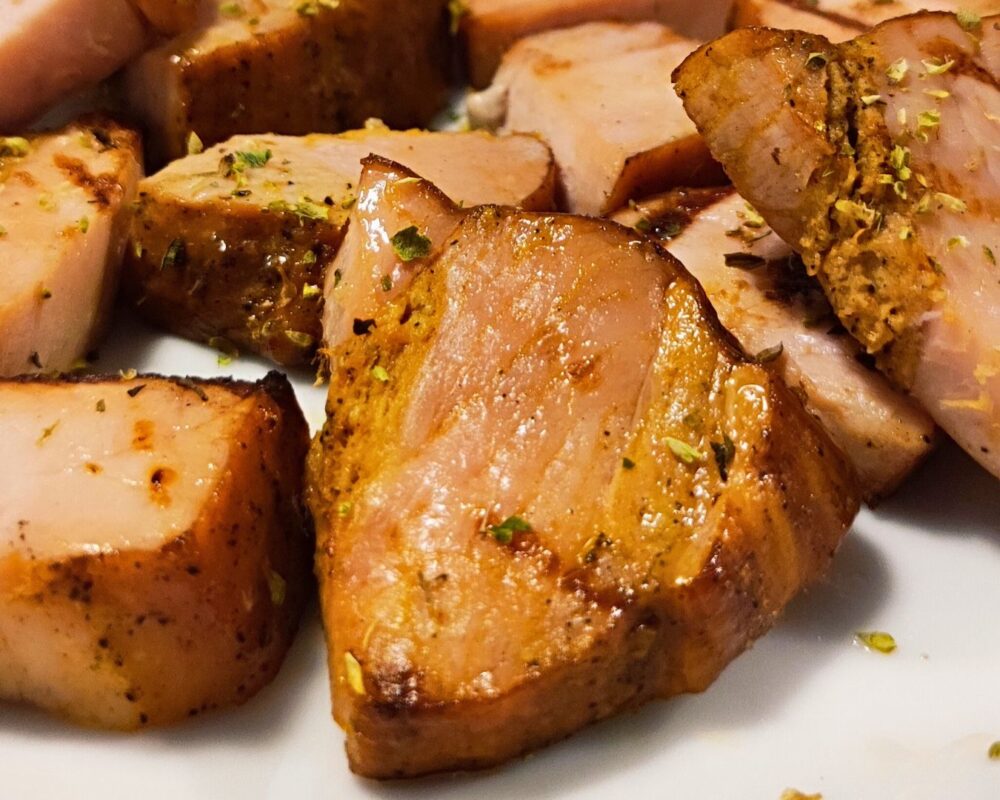
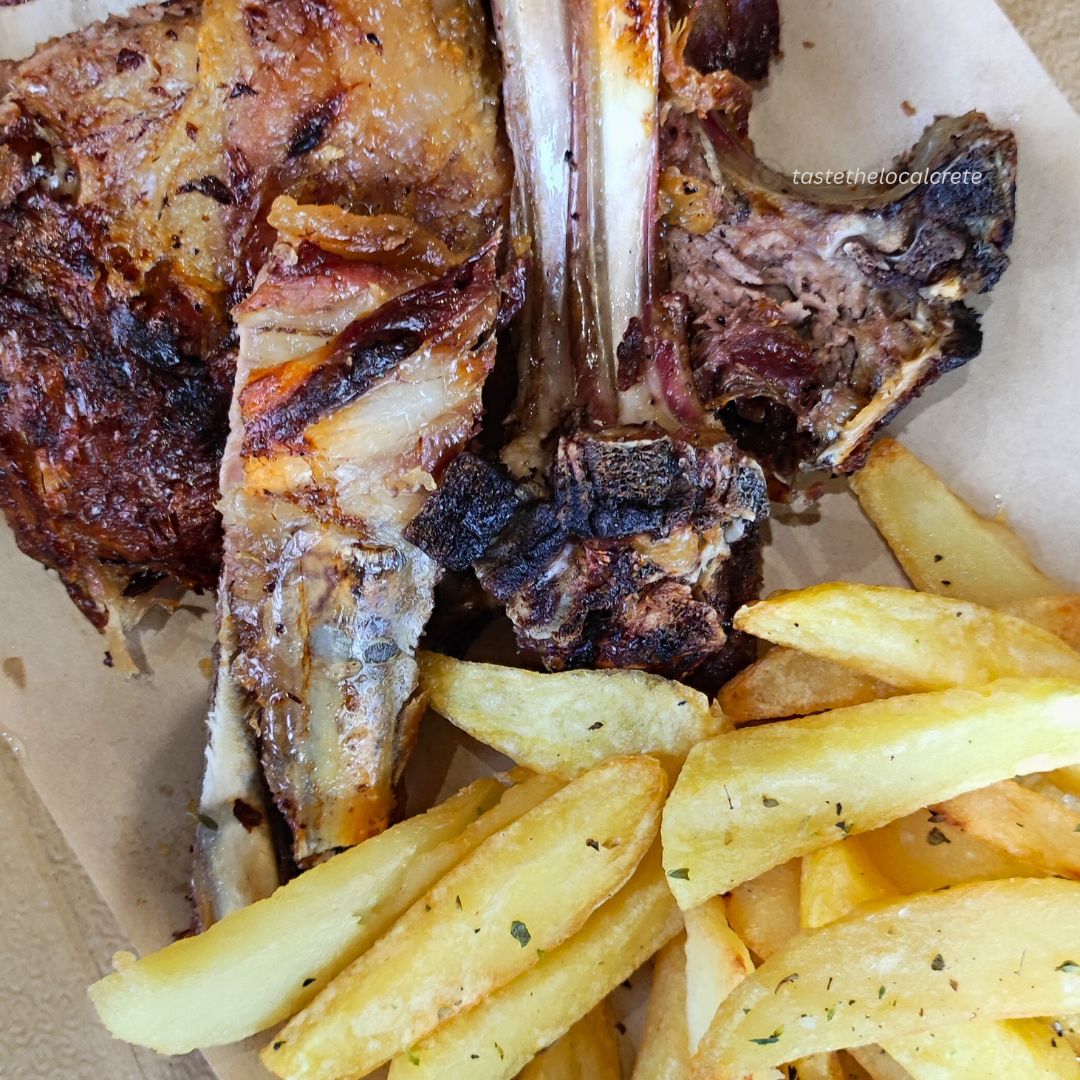
Meat dishes in Rethymno often feature lamb or goat, slow-cooked with local herbs. The animals graze on Crete’s diverse plant life, which gives the meat a distinct flavor. When prepared grilled or roasted with olive oil and oregano, the quality of the ingredients comes through.
Get your free local food guide to explore the vibrant city of Rethymno and check out all the good local spots in the charming old town. Use it as a first-day guide or as a food itinerary for a longer trip.
Beyond 24 Hours: The Rest of Rethymno Prefecture
Rethymno town gives you a concentrated taste of western Crete. But the prefecture extends far beyond the city limits, covering mountains, gorges, remote villages, and beaches that see a fraction of the tourist traffic.
The less-traveled side of Rethymno includes traditional mountain communities where life follows seasonal agricultural rhythms. Small-scale producers make cheese, olive oil, and wine. Gorges cut through the landscape, offering hiking routes through dramatic terrain.
These areas require time and transportation to explore properly. You need a car to reach remote villages. You need multiple days to experience the authentic rural Cretan lifestyle that still exists in the mountains and on the southern coast.
That’s where digital self-guided day trips come in: structured itineraries that take you beyond tourist zones to places where authentic Cretan culture continues without performance for visitors. These guides show you where to go, what to see, and how to connect with local life in areas most tourists never reach.
Frequently Asked Questions
Top-Rated Restaurants in Rethymno Town for Traditional Cretan Food
The best traditional restaurants hide in the old town’s narrow alleys and residential neighborhoods where tourists rarely wander. You’re looking for family-run tavernas that serve daily specials based on what’s fresh and seasonal, not laminated menus with photos of every dish.
Get your free local food guide to explore the vibrant city of Rethymno and check out all the good local spots in the charming old town of Rethymno.
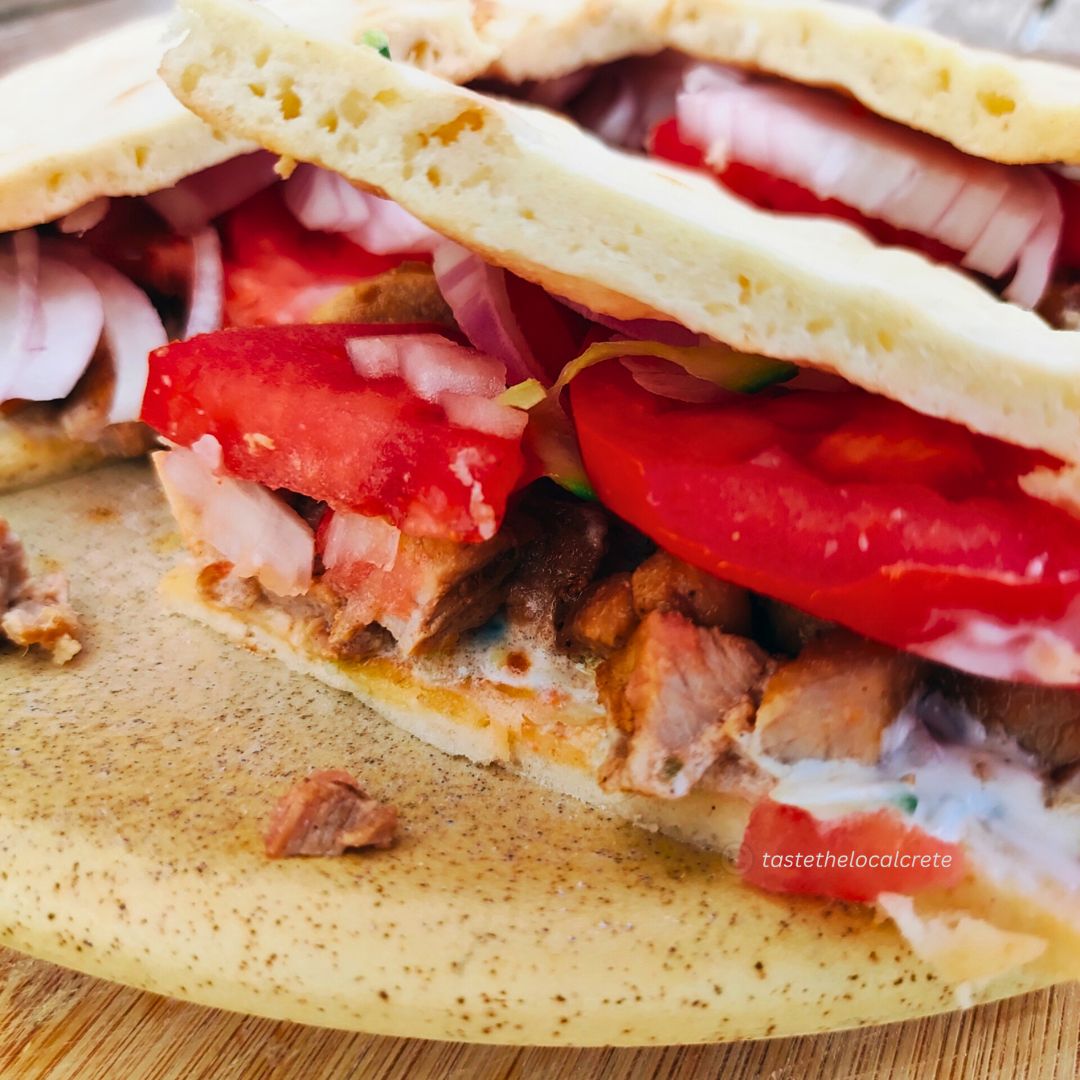
The free Rethymno foodie’s guide highlights Rethymno’s best dining options across different meal times and price points. It covers delightful breakfast spots where locals grab morning coffee and pastries, cozy lunch and dinner tavernas serving traditional Cretan recipes, and all-day street food venues perfect for quick bites between sightseeing.
You can use the guide as a first-day food itinerary when you arrive in Rethymno town, or as a reference throughout a longer trip when you want reliable meal options.
Important note: The recommendations have no advertising or commercial purpose. These are genuine suggestions for experiencing Rethymno’s food culture as locals do, not paid placements or sponsored content.
What’s the bus connection using KTEL Rethymno?
Rethymno to Chania:
Rethymno sits perfectly between Crete’s two major cities, making it easily accessible by public bus. KTEL operates frequent bus routes connecting Rethymno to Chania, with departures running throughout the day.
The journey from Rethymno to Chania takes approximately one hour, depending on traffic and stops. Buses run hourly during peak season, less frequently in the winter months. The ticket costs around 7 euros one-way.
The route follows the northern coastal road, offering views of the Cretan Sea for much of the journey. The ride is comfortable, with modern air-conditioned buses that handle the distance easily.
KTEL Chania-Rethymno operates the route. You can check schedules, book tickets, and get real-time information.
Rethymno to Heraklion:
The Rethymno to Heraklion bus route also runs hourly throughout the day. This journey takes approximately one hour and 15 minutes, covering the distance along the main northern coastal highway.
Tickets cost around 9 euros one-way.
Both routes use modern coaches with comfortable seating, air conditioning, and luggage storage. Buses depart from Rethymno’s central bus station (KTEL station), located near the old town and easily walkable from most accommodations.
Important booking requirement from KTEL
Pre-booking is obligatory for securing a seat at any departure time.
You have two booking options:
1. Electronically through the website e-ktel.com
2. In person at ticket offices in central bus stations
This requirement applies to all routes and all times. During the peak summer season, popular departure times fill up quickly, so booking a day or two in advance makes sense if you have fixed travel plans.
The bus station in Rethymno is centrally located and easy to find. Staff at the ticket office can help with schedules and booking if you prefer in-person service over online booking.
What’s the meteo Rethymno throughout the Year?
Rethymno experiences a Mediterranean climate with hot, dry summers and mild, wet winters. The weather pattern makes the town accessible year-round, though different seasons offer vastly different experiences.
The most comfortable weather occurs during the shoulder seasons: late spring (May-June) and early autumn (September-October). Temperatures during these months range from 20-27°C (68-81°F), perfect for walking around the old town, hiking to the fortress, and enjoying beach time without excessive heat.
Summer (July-August) brings peak temperatures often reaching 29-32°C (84-90°F) during the day. The heat can feel intense during midday hours, especially when exploring the old town’s narrow stone streets with limited shade. However, sea temperatures warm to 24-26°C (75-79°F), making beach time extremely pleasant. Summer also brings the most sunshine—around 12 hours daily—and almost zero rainfall.
Winter (December-February) sees temperatures drop to 10-15°C (50-59°F) during the day, with nighttime temperatures around 8-10°C (46-50°F). This is the wettest season, with December averaging the most rainfall. However, even winter days often include sunshine between rain showers. Many tourists avoid winter, which means you’ll experience authentic local life without crowds.
Best time to visit Rethymno based on weather priorities
For beach and swimming, June through September offer the warmest sea temperatures and most reliable sunshine. July-August provides peak conditions but also peak crowds.
For comfortable sightseeing, May-June and September-October balance pleasant temperatures with manageable tourist numbers. You can walk around the old town and climb to the fortress without battling extreme heat.
For an authentic local experience, November through March shows you how Cretans actually live when tourists disappear. The weather is unpredictable; some days are sunny and pleasant, others are rainy and cool. Many tourist-oriented businesses close, forcing you toward places where locals go year-round.
For budget travel, Shoulder seasons (April-May, October-November) and winter (December-March) offer the lowest accommodation prices and best deals on car rentals. Airlines also reduce flight prices outside peak summer months.
Rethymno’s weather makes the town accessible year-round, with each season offering distinct advantages depending on what you’re looking for in your visit.
FREE LOCAL'S GUIDE TO CRETE
Get my free 25-page Cretan guide with insider tips and answers to your most common questions. Written by someone who actually lives here.